Tea doesn't spoil quickly the way milk does — it goes stale: the aromatic compounds that make it taste alive evaporate and degrade, and what's left brews flat, dull cups. The whole job of storage is slowing that decline, and it comes down to five enemies and one airtight container.
The five enemies
Air (oxygen): Oxidation doesn't stop at the factory — slow, uncontrolled air exposure keeps degrading flavor compounds. A half-empty bag folded over is basically marinating your tea in oxygen.
Light: UV degrades both color and aroma; a tea in a clear jar on a sunny shelf fades visibly within weeks.
Heat: Warm storage accelerates every chemical process above. Room temperature is fine; a shelf above the stove is not.
Moisture: Dry leaf is hygroscopic — it pulls moisture from the air, and moisture is what turns "stale" into "musty" or worse. A humid cupboard or a damp spoon re-dipped in the tin both count.
Odors: Tea absorbs ambient smells aggressively — spices, coffee, onions, perfume, cleaning products. Your tea will taste like whatever sits next to it.
Containers that work
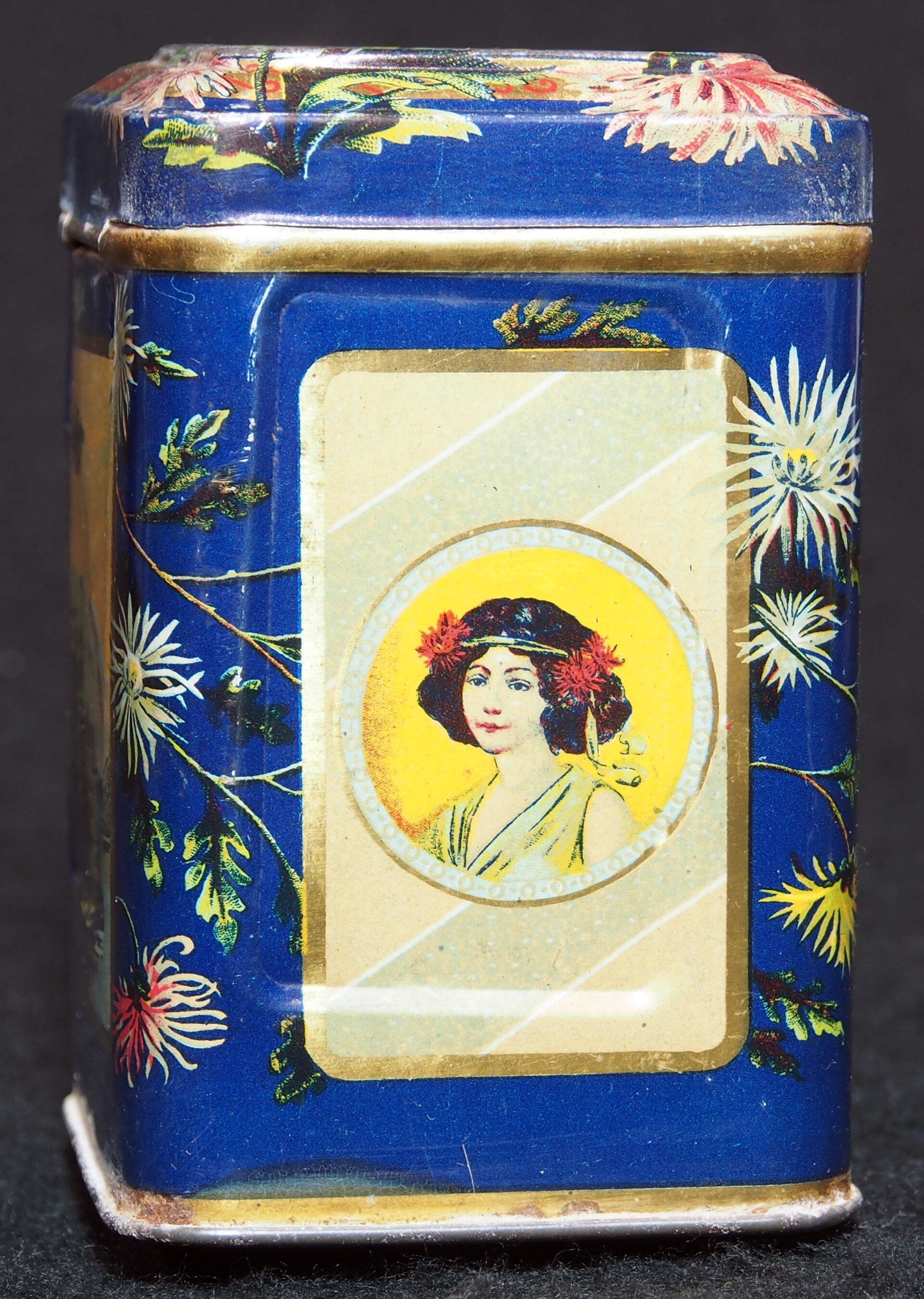
Best: an opaque, airtight tin or canister with a tight seal — the classic tea caddy. Double-lidded tins are the gold standard.
Good: the foil ziplock pouch tea ships in, squeezed mostly empty of air and rolled shut — then ideally placed inside something opaque.
Workable short-term: a clean glass jar with a good seal, kept in a dark cupboard. Clear glass on a counter is a no.
Avoid: plastic containers that aren't airtight (they breathe and often add their own smell), and the cupboard shelf next to the spice rack regardless of container.
Location: a practical checklist
- Cool, dark cupboard or drawer — yes
- Next to or above the kettle/stove — no (heat and steam)
- Clear container on the counter or windowsill — no (light)
- Next to spices, coffee, onions, scented anything — no (odor absorption)
- Using a dry spoon or clean dry hands only — yes, every time
Refrigeration and freezing: read before doing
The fridge seems logical and usually backfires. Every time a cold container opens in warm air, condensation forms on the leaf — moisture, enemy number five. Refrigeration is only defensible for unopened, truly airtight-sealed tea (like a vacuum-sealed green tea fresh from purchase) that stays sealed until it comes fully back to room temperature before opening. If you do it: seal absolutely airtight, let the package warm to room temp unopened, then open. For most people, a cool dark cupboard beats the fridge. Freezing has the same condensation problem amplified and is rarely worth it for everyday tea.
Different teas, different urgency
- Green and light oolongs: most perishable — vivid aromatics fade fastest. Buy small, drink within a few months.
- White tea: delicate top notes fade, though it keeps reasonably well sealed.
- Black tea: sturdiest of the everyday teas — a well-sealed tin stays decent for a year or more.
- Roasted oolongs and dark teas: stable; puerh-style teas are a separate case (designed to age under different rules).
- Flavored/scented teas: added aromatics fade relatively fast regardless of care.
Vacuum sealing and gift travel
Vacuum-sealed bricks and pouches — common for ball-rolled oolongs — are the one format where long storage genuinely works: no air, no light, no odors get in. Leave them sealed until you're ready to drink the whole thing within a few months; once opened, the five enemies apply normally. For travel or gifting, the small vacuum pouches beat any tin — they survive luggage and keep the leaf at factory freshness until opened.
One more practical note: buy greens soon after harvest season if you can — a spring green bought in spring starts the freshness clock at its best, while the same tea bought the following winter is already months into its decline.
Opened packages and bulk buys
Bought 250 g for a deal? Split it: a small daily tin that gets opened regularly, plus the bulk sealed as airtight as possible and left alone. Every opening of the bulk supply resets the freshness clock for the whole batch — this is the single highest-payoff habit for people who buy in quantity.
A weekly habit that keeps tea fresh
The simplest storage system isn't a container — it's a habit: when you open a tin, squeeze the air out, seal it, put it back in the dark, and use a dry spoon. Done every single time, that 20-second routine beats any expensive canister left half-open. Most stale tea wasn't stored badly once — it was stored almost-right for months.
Stale is not spoiled
A tea that went flat is disappointing, not dangerous — it's fine to drink, just dull. The line into actual discard is different: dampness, musty or fishy smell, visible mold, or clumped leaf — the specifics are in how to tell if tea has gone bad. The five enemies, an airtight tin, and a dark cupboard keep you on the right side of that line.