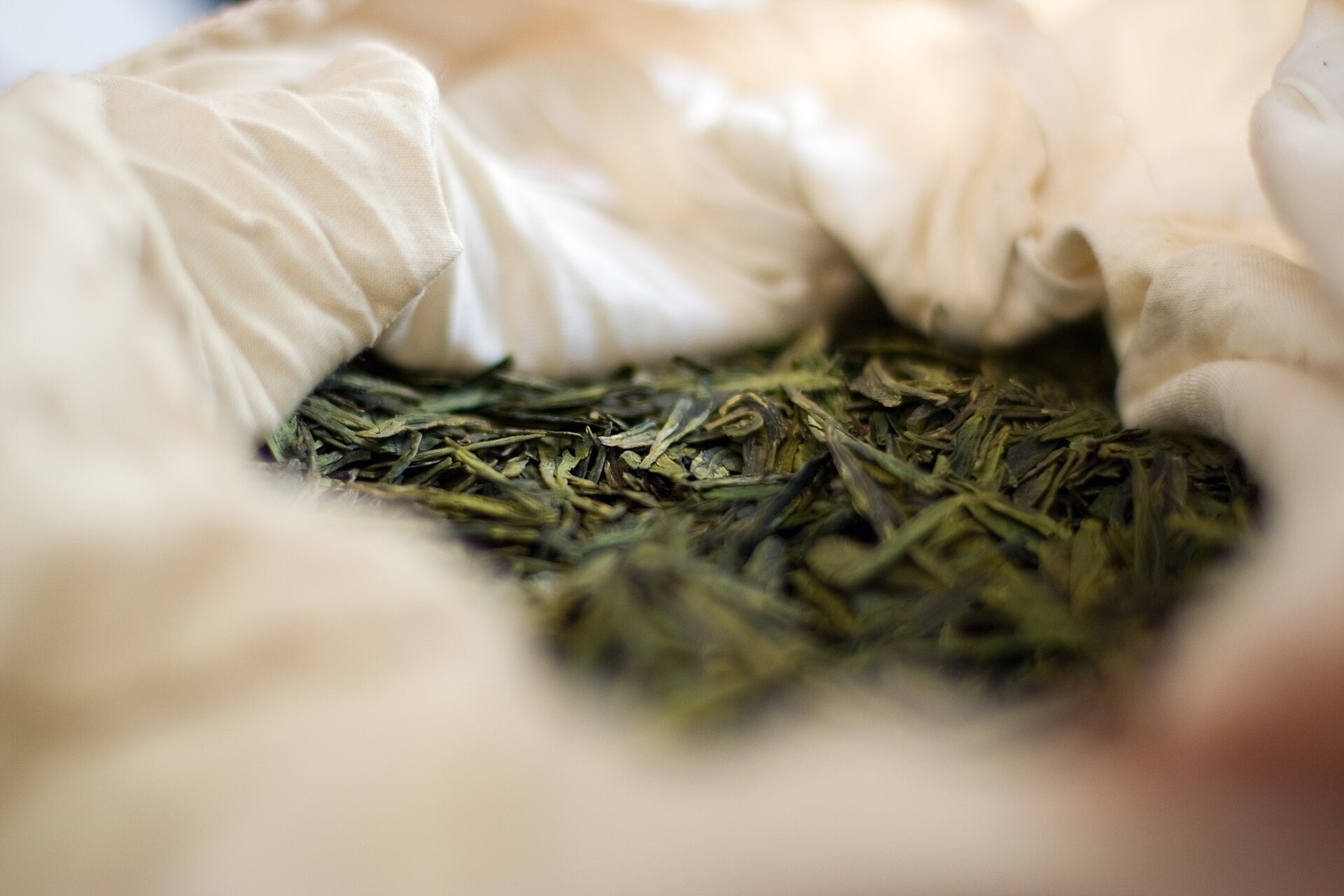
"Gone bad" for tea means two different things that get confused: stale — lost aroma and flavor, disappointing but harmless — and spoiled — damp, moldy, or contaminated, an actual discard. Most old tea is the first; knowing the second's signs is what this article is for.
Dry tea that merely lost its edge
Dry, properly stored tea degrades gracefully: the vivid aromatics fade, the flavor flattens, and after a year or two a green tea especially can brew a cup that tastes like warm, vaguely tea-colored water. Signs of staleness:
- Dry leaf smells faint or flat where it used to smell vivid
- Green tea leaf gone olive or brownish from vivid green
- The cup tastes dull, woody, or "cardboard" — tea-flavored but empty
- Flavored/scented teas losing their signature aroma
Stale tea is a waste, not a hazard — brew it if you want, compost it if you don't, buy smaller quantities next time. The fix that would have prevented it is in the storage guide.
Warning signs of actual spoilage
These are different — they mean moisture or contamination got to the leaf, and the tea should not be brewed:
- Visible mold: white, grey, green, or colored fuzzy patches — not to be confused with the harmless silvery "down" on bud-heavy teas, which is uniform and sits on the leaf surface from picking, not growing on it.
- Dampness: leaves that feel soft, limp, or clumped together instead of crisp.
- Musty, fishy, sour, or "off" smells: smells that say basement or aquarium where the leaf should smell like tea — the fishy-smell breakdown is in why tea smells fishy.
- Pest evidence: webbing, specks, or tiny holes in the packaging.
- Anything stored visibly damp or in a leaking/humid spot.
The rule: when mold or damp is involved, discard the batch — don't pick around it, don't air it out, don't brew-and-see. Mold you can't see yet often accompanies mold you can.
Package dates: what they mean and don't
"Best before" on tea is a quality date, not a safety cliff — the tea doesn't become dangerous on day one past it. But it's also not meaningless: it marks the point after which the maker stops guaranteeing the flavor you paid for. A sealed tea six months past its date is very likely fine if flat; an open bag two years past it in a warm kitchen is a different story. Green teas deserve the most respect for dates; blacks and roasted oolongs age far more gracefully.
The puerh exception
Puerh and other deliberately aged teas rewrite the rules above: they are meant to change — properly stored aged tea develops deeper, smoother character over years, and "old" is a feature, not decay. The discard signs still apply though: mold on a puerh cake is still mold, "aged" is not a synonym for "immune." If a puerh smells like a wet basement rather than clean earth, age is not the explanation.
What about tea kept in the fridge?
Tea that lived in the fridge often suffers a specific injury: condensation. Every door-opening in warm air drops moisture onto cold leaf — and moisture is exactly what turns "stale" into "musty." Check refrigerated tins the same way: clumped or limp leaf and a damp smell are the tell. The fridge isn't forbidden — sealed-until-room-temperature works — but a cool cupboard avoids the whole failure mode; see the storage guide.
Brewed tea is a different clock
Everything above is about dry leaf. Brewed tea has its own rules — plain tea keeps 2–3 days sealed in the fridge, but anything left warm overnight or containing milk/sugar follows perishable-food rules. The details are in overnight tea; cloudiness tests are in why tea goes cloudy.
Why tasting suspicious tea is not a test
"Sip it and see" is not a safe check: harmful contamination can be present without obvious taste, and a single sip is not a safety verdict. Use sight, smell, and touch on the dry leaf — they catch nearly everything — and discard on warning signs rather than testing on yourself.
What to do with stale-but-harmless tea
Leaf that's flat but passes the safety check isn't necessarily waste. Cold-brew it (staleness shows less in cold brew), blend it into a batch where other ingredients carry the flavor — spiced chai, iced tea with citrus — or use it for cooking: tea-smoked dishes and matcha-adjacent baking don't need a vibrant leaf. Compost is the last resort and a perfectly respectable one.
The five-second check
Before brewing an old or questionable tea: look (vivid or faded? fuzzy patches? clumps?), smell (aromatic like its type, or flat/musty/fishy?), touch (crisp or damp-limp?). Pass all three and it's at worst stale; fail any one clearly and the tin goes in the bin. Tea is cheap compared to the alternative.