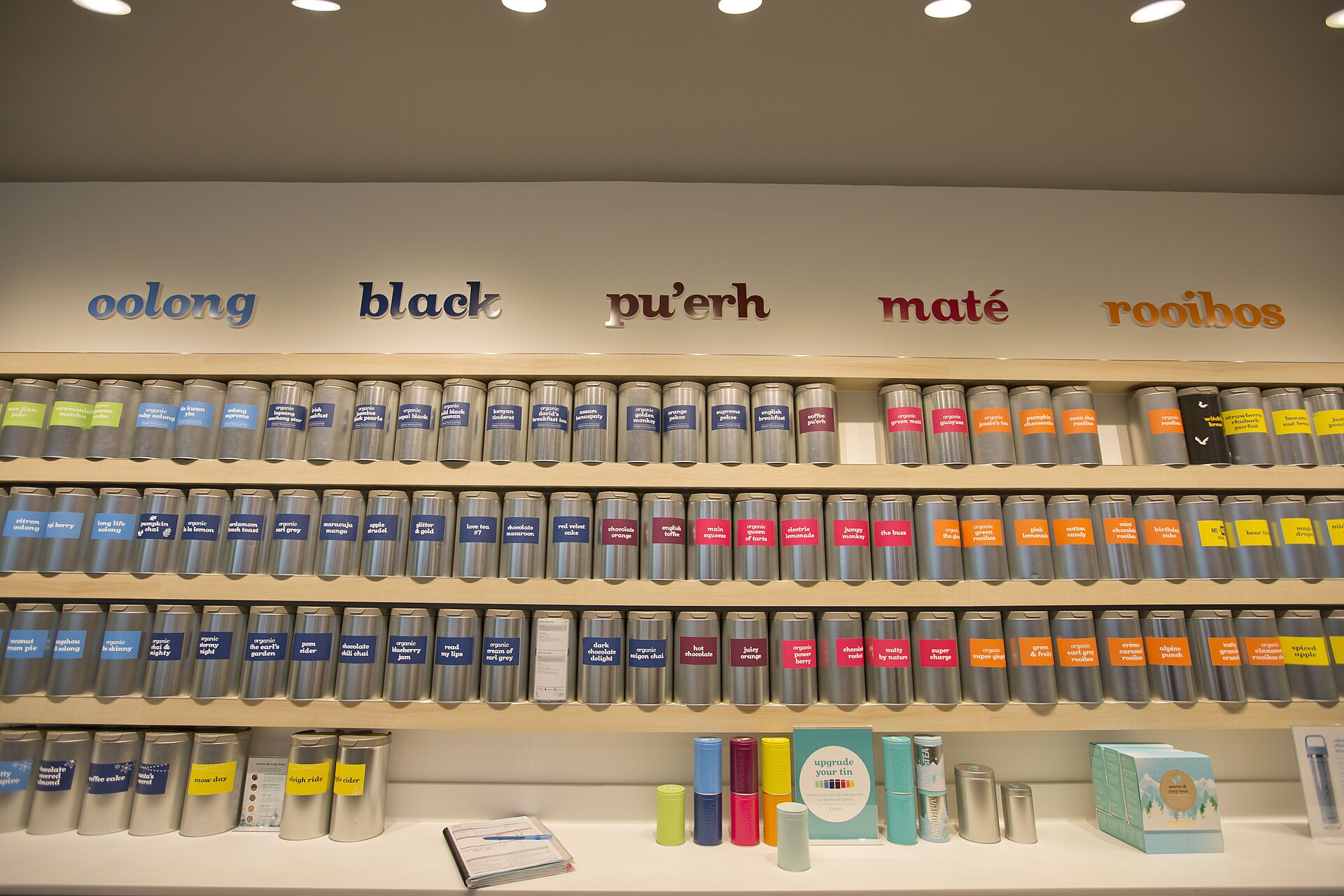
The first tea purchase is where most beginners get burned — a beautiful tin of something too advanced, too stale, or too expensive, bought without knowing what they actually like. The fix isn't learning all of tea first; it's matching the first purchase to your taste and keeping the stakes small.
Start from what you already like
The best predictor of a first tea is not a region or a price — it's the flavors you already enjoy:
- Like coffee or bold drinks? A malty black tea (Assam, an English Breakfast-style blend) or a roasted oolong — full, brisk, takes milk well.
- Like fresh, green, vegetal flavors? A Chinese pan-fired green like Dragon Well — forgiving, nutty-sweet — before a delicate Japanese sencha.
- Like floral or fruity? A light Taiwanese oolong (lilac-cream) or an Oriental Beauty (honeyed fruit) — see the oolong guide for the range.
- Want gentle and easy? A white tea like White Peony — soft, sweet, hard to ruin.
One reliable rule: buy toward your existing taste, then explore outward one step at a time.
Loose leaf versus tea bags
Tea bags are not automatically bad — but the leaf inside most standard bags is "dust and fannings": the smallest, cheapest grades, which brew fast and harsh with little aroma. Whole-leaf loose tea costs more per gram but delivers a different drink entirely. A pragmatic path: try one or two loose teas to learn what tea can taste like, and keep bags only for convenience — or choose pyramid-style bags with visible whole leaf. The brewing differences (bagged extracts much faster) are covered in steep times.
Buy small, smell first
Two habits prevent most bad purchases:
Buy the smallest available quantity. 25–50 g of a tea is enough for 8–15 cups — plenty to decide whether you like it. Sample sizes and variety packs exist precisely for this stage; a "tea flight" teaches you more than one prestige tin.
Smell the leaf if you can. At a physical shop, ask to smell it — fresh tea smells vivid: grassy, malty, floral, toasty, whatever its direction. Flat, dusty, or faintly musty means stale or poorly stored — walk away regardless of the label. Online, read recent reviews for freshness complaints and buy from sellers that state harvest dates or years.
What to look for on a package
Named type and origin ("Dragon Well, Zhejiang" or "Assam, India") beats a vague "premium green tea." Harvest year or season is a freshness commitment — spring-picked greens especially should be current-year. Leaf grade hints (whole leaf, bud-heavy, broken) tell you what you're paying for. And beware two red flags: a long ingredient list on what should be pure tea, and health promises on the label — real quality doesn't need to claim it cures anything.
Price reality
Decent everyday loose tea is not expensive: a good daily-drinking tea often lands around $10–20 per 50 g, which works out cheaper per cup than most café drinks or premium teabags. The expensive tiers — bud-only white teas, high-mountain oolongs, famous-region greens — are worth it once you can tell the difference, not before. Spending big on a first purchase is the classic beginner mistake: spend small, learn, then upgrade in the direction your taste actually went.
Where to buy
Local tea shops: the best option if you have one — you can smell the leaf, ask questions, and often taste before buying. A shop that can't tell you roughly when or where a tea was harvested is a weaker bet.
Specialist online sellers: reputable vendors list origin, harvest year, and sometimes picking standard; they also tend to rotate stock quickly, which matters for freshness. Read recent reviews for "stale" or "flat" complaints before buying blind.
Supermarket and gift-shop tins: convenience with a freshness lottery — packaging is often prettier than the leaf inside. Fine for a casual trial, not where to spend real money.
A first-purchase checklist
- Picked based on a flavor you already like (bold / fresh / floral / gentle)
- Small quantity — 25–50 g or a sample pack
- Named type and origin on the label
- Harvest year or season stated for green/white teas
- Smelled fresh and aromatic if bought in person
- No health claims, no weird ingredient list
- Seller willing to tell you about the tea (a real tea shop answers questions)
- Bought toward your taste — not toward the most impressive label in the shop
After you buy
Store it right from day one — airtight, away from light and smells — with the storage guide. Brew it at the starting parameters for its type rather than "however," and give it three or four honest cups before judging: the first brew is usually you learning the tea, not the tea failing you. When you're ready to widen your range, green versus black is the natural next fork.