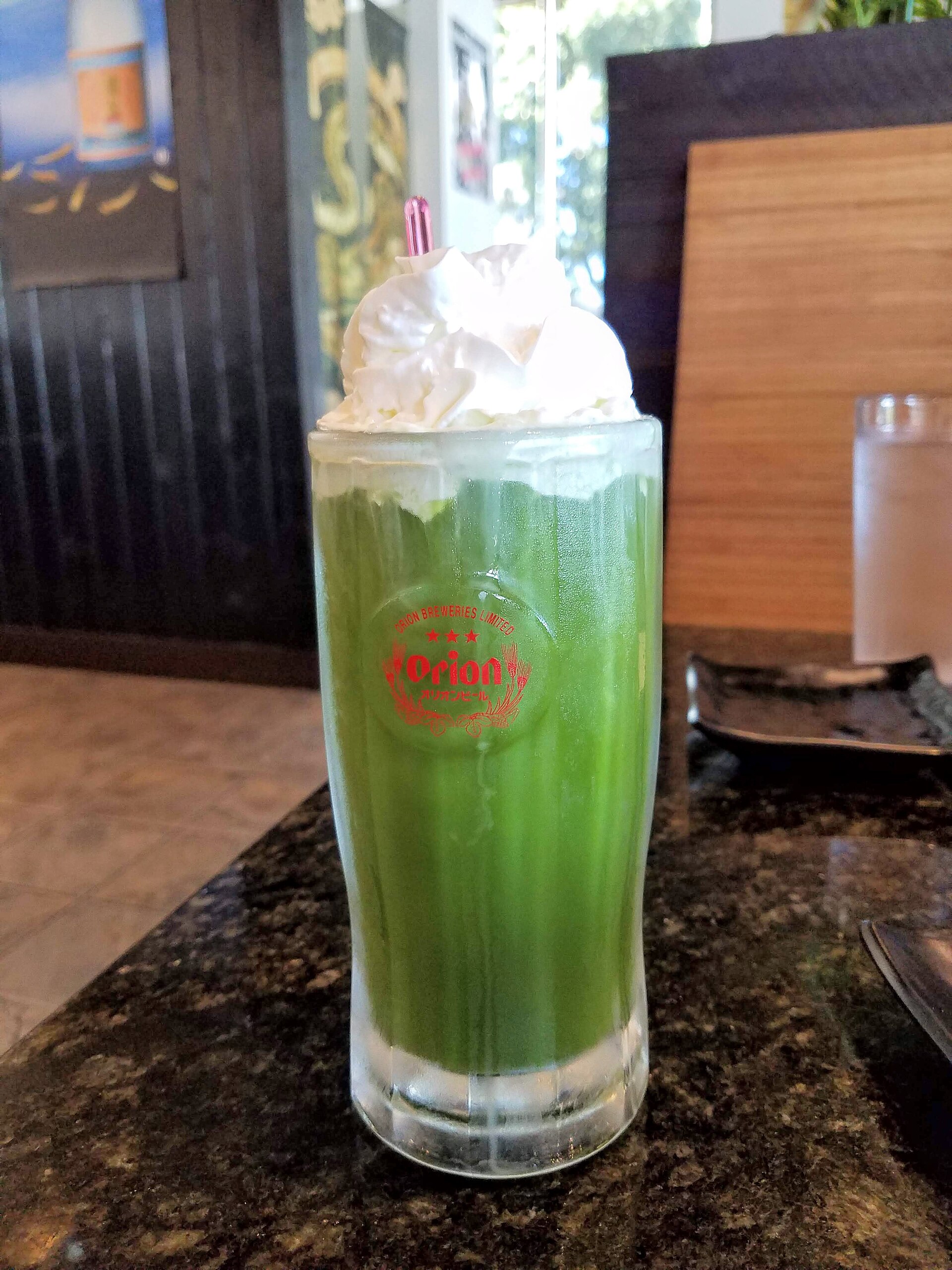
Matcha is powdered green tea — but not just any green tea ground up. It's a specific product: tea grown in the shade for weeks before harvest, steamed, dried without rolling, de-veined, and stone-milled into a talc-fine powder that you whisk directly into water and drink whole. The shade-growing and the whole-leaf consumption are what make it fundamentally different from a brewed green tea.
How matcha is made
The defining step happens before picking: several weeks before harvest, the tea bushes are covered — traditionally with straw or reed screens — to block most sunlight. Shading stresses the plant into producing more chlorophyll (the vivid green color) and more amino acids, particularly L-theanine (the source of matcha's characteristic savory-sweet umami) while suppressing the bitter polyphenols. The shaded leaf, called tencha, is steamed to stop oxidation, dried flat without rolling, stripped of stems and veins, and milled — traditionally between granite stones — into powder fine enough to suspend in water rather than needing to be strained.
Matcha versus brewed green tea
| Matcha | Brewed green tea (sencha etc.) | |
|---|---|---|
| Form | Fine powder, whisked in | Whole leaf, steeped and removed |
| What you drink | The entire leaf, suspended | Water extract only — leaf discarded |
| Growing | Shade-grown 3–4 weeks | Full sun (except gyokuro, also shaded) |
| Texture | Thick, frothy, coats the mouth | Clear liquor |
| Flavor | Umami-rich, vegetal, creamy-sweet | Fresh, grassy, brisk |
| Prep | Sift, whisk 15–20 sec with bamboo whisk | Steep 1–3 min, strain |
| Caffeine (typical) | Higher per serving — whole leaf consumed | Lower per cup |
"Whole leaf" is the headline difference: with steeped tea you throw the leaf away; with matcha you drink it — which is why a serving carries more of everything the leaf contains, caffeine included. Per typical serving it lands noticeably above a cup of sencha and can approach coffee territory depending on dose.
Not every powdered green tea is matcha
Powdered green tea products exist that were never shade-grown — cheap culinary powders or ground sencha sold as "matcha-style." The tells of real matcha: vivid jade-green color (dull yellow-green powder is sun-grown leaf or oxidized product), fine talc texture (gritty powder is poor milling), umami-forward, low-bitterness taste. Price is a rough filter — genuine matcha can't be produced cheaply because the shading and hand-work are inherently costly.
Grades are honest categories: ceremonial grade is for drinking straight as tea (more delicate); culinary grade is stronger-tasting and made for lattes and baking, where its flavor has to survive milk and sugar. Neither is fake — they're intended for different uses.
How to prepare it
- Sift 1–2 g (about ½–1 tsp) into a wide bowl to break clumps.
- Add ~70 ml of hot water at about 80°C (176°F) — boiling water makes matcha bitter.
- Whisk briskly in a zigzag W-motion (not circles) for 15–20 seconds with a bamboo whisk (chasen) until a fine foam covers the surface.
- Drink immediately — matcha settles out; it's made to be consumed fresh.
No bamboo whisk? A small electric milk frother or a tightly shaken jar works acceptably for casual cups — the ceremony is optional, the suspension isn't. For a thinner everyday cup (usucha-style), 2 g matcha to about 70–80 ml water is the standard starting ratio; thicker koicha-style doubles the powder and drops the whisking to a slow knead — that's a café-tier technique, not a beginner requirement.
How to buy matcha
Buy for your use: ceremonial grade if you'll drink it straight; culinary grade for lattes and baking — paying ceremonial prices for a smoothie ingredient is wasted money, and drinking culinary straight is needlessly bitter.
Read the color: vibrant jade green is the visual fingerprint of real shade-grown matcha; olive or yellowish powder means sun-grown leaf or oxidized product. Check origin and date: Japan-grown (Uji, Nishio, Shizuoka are the traditional regions) with a recent milling date is the reliable pick. Buy small: 20–30 g tins — matcha oxidizes faster than any other tea once opened, because the powder exposes maximum surface to air. Store it sealed, cool, and dark, and finish within a month or two of opening.
Health claims: what to skip
You will read that matcha delivers "137× the antioxidants" or detoxes, burns fat, or cures things. Treat all of it as marketing. Matcha is real tea consumed whole, so per serving you get more of what tea contains — caffeine, theanine, polyphenols — but that arithmetic doesn't produce miracles, and no health claim justifies paying inflated "superfood" prices. Drink it because you like the taste.
Who it's for
Choose matcha if you want a rich, umami-sweet, almost broth-like green tea experience, you enjoy the ritual of whisking, or you're making lattes and baking where tea flavor needs to punch through dairy. Stick with steeped greens like sencha if you prefer a clean, light, refreshing cup — both are green tea, just opposite expressions of it. For the traditions behind the whisk, see tea ceremony compared; for how matcha sits among Japanese greens generally, green tea basics.