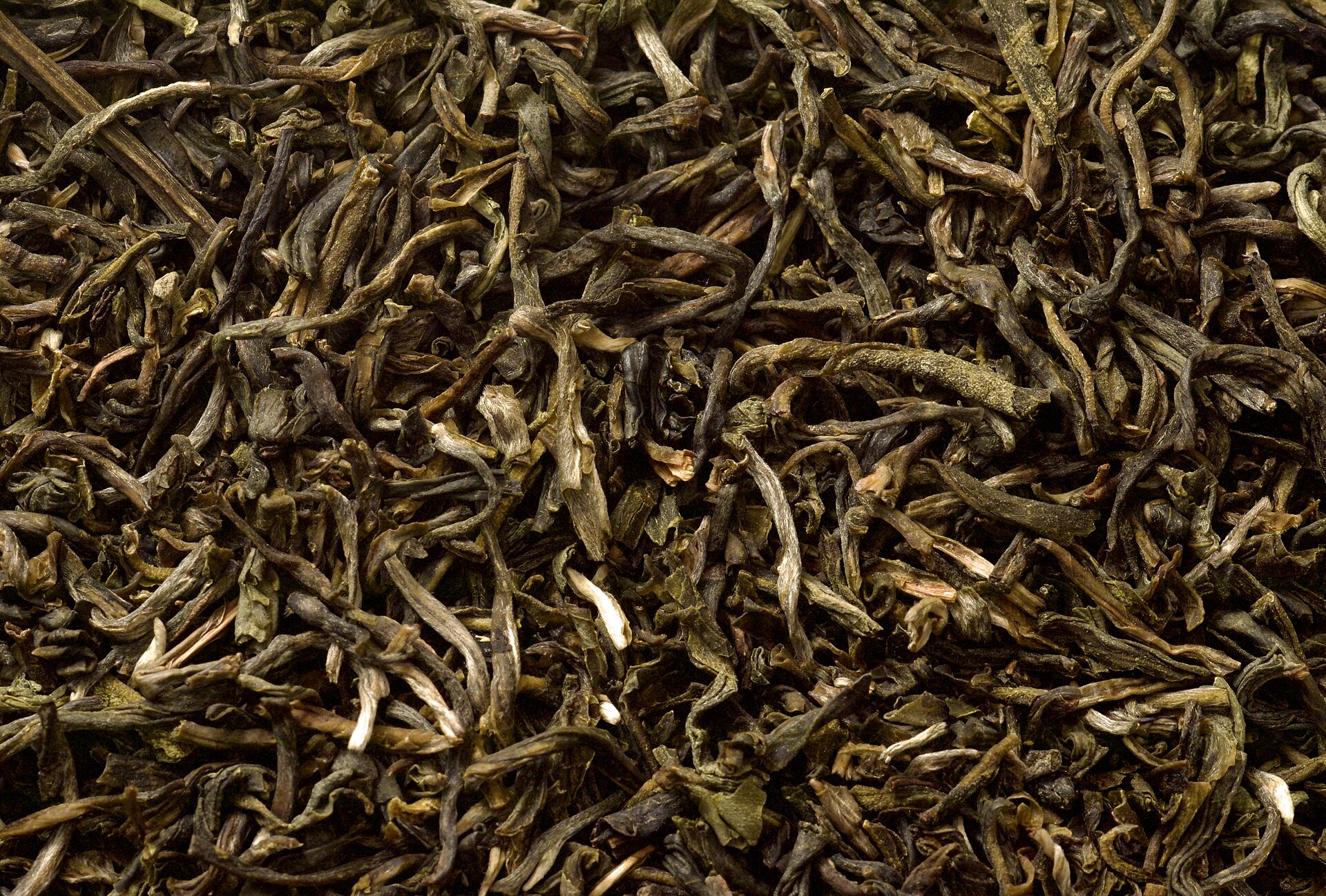
A fishy or marine smell in tea has a handful of possible sources — some harmless characteristics of the tea itself, some storage or handling problems, and occasionally a genuine quality or hygiene issue. The right response depends on which one you've got, so start by identifying where the smell lives: in the dry leaf, in the brewed tea, or in your equipment.
Step one: smell the dry leaf, not the cup
Open the tin and smell the leaf directly. Then brew a small test cup in a clean mug with fresh water and smell that. The pattern tells you where the problem lives:
- Dry leaf smells fishy → brewed tea smells fishy: it's the tea itself — keep reading.
- Dry leaf smells fine → cup smells off: suspect your water or your equipment, not the tea.
- Everything smells fine, but the cupboard where you store tea smells musty: the tea absorbed ambient odor — tea is a sponge for smells, which is why storage advice always says airtight and away from the spice rack.
When the tea itself smells marine
Young or "green" puerh and some hei cha: Certain fermented teas — especially cheap or young sheng/shu puerh — legitimately carry earthy, pond-like, or marine notes. In that tradition a slight "fishy" edge in a young ripe puerh is common and typically mellows with age. It's normal for the genre, but it's not normal for your sencha.
Low-grade or poorly stored green tea: A distinctly fishy smell in a green tea that should smell fresh and grassy usually means one of two things: the tea is old and stale (aromatics decayed into flat, odd notes), or it absorbed moisture and began deteriorating. Either way it's a quality failure — and damp-damaged tea can be more than a flavor problem; check the spoilage signs.
Packaging odor: Some plastics and printed films carry a chemical or marine-adjacent smell that transfers to tea — particularly tea sealed in cheap pouches for a long time. If the smell is sharp and "manufactured" rather than organic, the packaging is a reasonable suspect.
Earthy, marine, or fishy: the vocabulary matters
Part of the confusion is naming. A genuinely fishy smell — sharp, marine, slightly rotten — is a warning for almost any non-fermented tea. But fermented teas legitimately carry a spectrum: earthy (like a forest floor), woody, camphor-like, marine. New drinkers often label the whole spectrum "fishy." The distinction that matters: earthy/woody/marine-pleasant = probably the style; sharp-fishy-sour = probably a problem. If you're new to puerh, buy a small amount from a seller you can ask — "should this smell like this?" is a normal question with a real answer.
When it's the water or the equipment
Chlorinated or algae-affected tap water: Seasonal algae in municipal water can produce a fishy or musty note that has nothing to do with the tea. If plain boiled water smells odd on its own, that answers it — filtered water is the fix.
Kettle or thermos residue: A kettle that sat with stale water, a thermos lid gasket, or a teapot spout that hasn't been cleaned can harbor biofilm that smells exactly like this. Clean the spout, lid, and gasket — the parts everyone skips — before blaming the tea.
Cross-contamination in storage: Tea stored near fish sauce, dried seafood, supplements, or even strongly scented cleaning products picks up their odor. Sniff the storage area itself.
What to do
If it's a fermented tea style: the marine note is probably normal for the genre. Give it a rinse — a quick 10-second hot-water wash poured off before the real steep — which is the standard practice for puerh and clears much of the funk.
If it's a green or light tea that should smell fresh: and the fishy smell is in the leaf itself, don't drink more of it. Stale-or-damp tea won't poison you at the "flat" stage, but tea that smells wrong and was stored damp is not worth pushing. See the discard rules in how to tell if tea has gone bad.
If it's water or equipment: fix the source, not the tea — rinse the kettle, clean the gasket, filter the water, re-brew the same leaf and compare.
Preventing it next time
Most smell problems trace back to storage and handling rather than the tea as shipped. Keep tea airtight and far from the spice shelf and the sink; use a dry spoon; don't park a half-open bag next to the fish sauce. And buy quantities you'll actually finish — a tin that sits half-open for eight months in a steamy kitchen is a fishy smell waiting to happen. The storage specifics are in how to store loose leaf tea.
A fishy smell is never something to just push through. But it's also not automatically "spoiled tea" — a rinse test, an equipment sniff, and a water check separate the harmless explanations from the real ones in about five minutes.