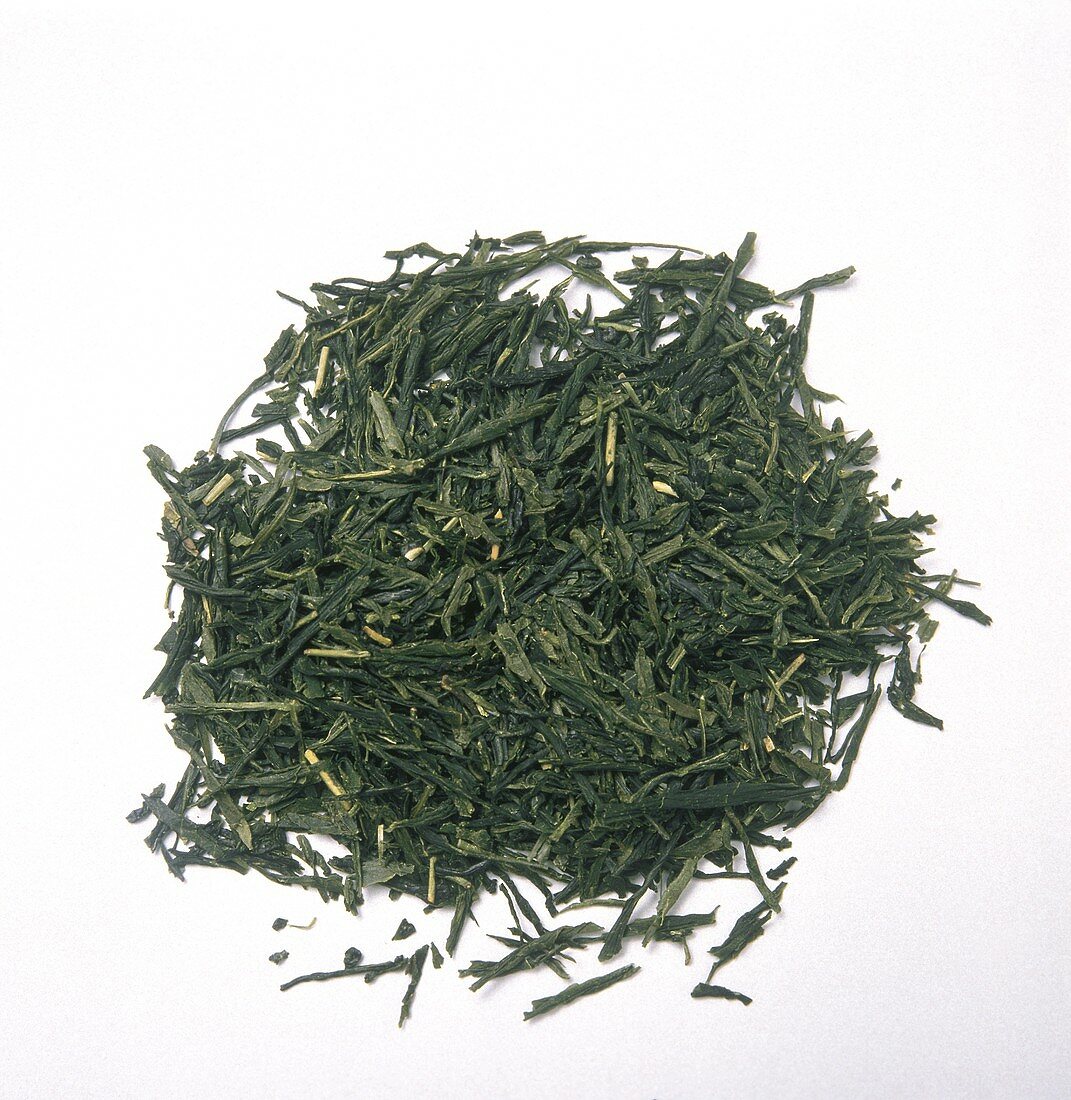
Boiling water is the single most common reason green tea tastes bitter. Most green teas brew best well below a full boil — somewhere in the 70–80°C (158–176°F) range — and dropping the temperature by twenty degrees changes the cup more than any expensive equipment ever will.
Why boiling water makes green tea harsh
Green tea leaves are heated soon after picking to prevent oxidation, which means the leaf keeps a large share of its natural polyphenols — the compounds responsible for bitterness and astringency. Hot water extracts compounds faster, and the bitter ones come out fast and early. Push the temperature to a rolling boil and you pull maximum bitterness in the first minute, while the sweeter, more delicate flavors never get a chance.
This is why the same green tea can taste sweet and mild in one kitchen and punishingly harsh in another — the leaf didn't change, the water did.
Starting temperatures by style
Treat these as starting points, not rules carved in stone — the right number for your tin is the one that tastes good to you:
| Green tea style | Start at | Notes |
|---|---|---|
| Very delicate (gyokuro, fine sencha, early Dragon Well) | 65–75°C (149–167°F) | Shaded and bud-heavy teas are the most sensitive to heat |
| Everyday sencha, most Japanese greens | 70–80°C (158–176°F) | The standard green tea range |
| Chinese pan-fired greens (Dragon Well, gunpowder) | 75–85°C (167–185°F) | Pan-firing makes them a bit more robust |
| Coarser, mature-leaf greens (bancha, hojicha) | 80–90°C (176–194°F) | Older leaves and roasted teas handle more heat |
The pattern worth remembering: the more delicate and bud-heavy the leaf, the cooler the water. Roasted or mature-leaf teas can take real heat.
Steamed versus pan-fired: why the temperature ranges differ
Japanese green teas are steamed, a very fast heat that keeps the leaf almost raw and the chemistry sharp — this is why sencha and gyokuro sit at the bottom of the temperature table and punish boiling water the hardest. Chinese greens are mostly pan-fired in a hot wok, a slower heat that toasts the leaf lightly and makes it more robust — which is why Dragon Well and gunpowder tolerate an extra 5–10°C without turning harsh. Same category, different heat history, different behavior in your pot.
Water quality counts too
Very hard water flattens delicate green tea flavors and can add a chalky note of its own; heavily chlorinated tap water does worse. If your green tea tastes dull despite good parameters, try a filter jug or bottled water once — the difference is often surprising. Ultra-pure distilled water is the opposite mistake: with no minerals at all, the cup can taste oddly hollow. Ordinary filtered water is the sweet spot.
No thermometer? Three reliable estimates
The wait method: Boil the kettle, pour into a room-temperature mug, and wait. Water drops roughly 10°C in the first 2–3 minutes after boiling. Waiting about 5 minutes in an open cup typically lands you near 80°C; 7–8 minutes approaches 70°C.
The pour method: Every transfer between vessels drops temperature roughly 8–10°C. Kettle → pitcher → cup ≈ two transfers ≈ water in the high 70s. This is the traditional approach, and it works.
The bubble method: Old Chinese brewing terminology describes water by its bubbles — "shrimp eyes" (small pinprick bubbles, ~70–75°C), "crab eyes" (steady small bubbles, ~80°C), "fish eyes" (larger bubbles rising, ~85–90°C), full rolling boil (100°C). For green tea, catch it at shrimp or crab eyes.
A step-by-step cup
- Heat fresh water to your target — say 75°C using any of the methods above.
- Add about 1 teaspoon of leaf (2–3 g) per 8 oz (240 ml) of water.
- Steep 1½ to 2 minutes for Japanese greens; up to 3 minutes for sturdier Chinese greens.
- Strain completely — leaves sitting in water keep extracting and turn bitter.
- Taste. Then adjust next time using the table below, changing one variable at a time.
Troubleshooting by taste
| The cup is… | Likely cause | Try first |
|---|---|---|
| Bitter and drying | Water too hot | Drop 10°C |
| Weak and flat | Water too cool, or steep too short | Add 30 seconds, then +5°C if still weak |
| Bitter and weak | Too much leaf, too long | Use less leaf, steep shorter |
| Sour or stale-tasting | Old leaf or poor storage | Check freshness — see signs tea has gone bad |
| Gritty or murky | Fannings/dust grade tea, or hard water | Better leaf grade; try filtered water |
Adjusting to your taste
Once the cup is in the right neighborhood, tune it like seasoning. More depth? Add 5°C or 15 seconds. Too sharp? Pull back the same amount. Change one thing per cup so you can tell what helped. The full method for fixing a harsh cup — including leaf amount and steep time — is in why does my tea taste bitter, and the matching time-side of the equation is in how long to steep tea.
One last note: there is no single "correct" temperature for green tea, because there is no single green tea. A 65°C cup of gyokuro and an 85°C cup of gunpowder are both correct. Start in range, taste, adjust — that loop is the whole skill.