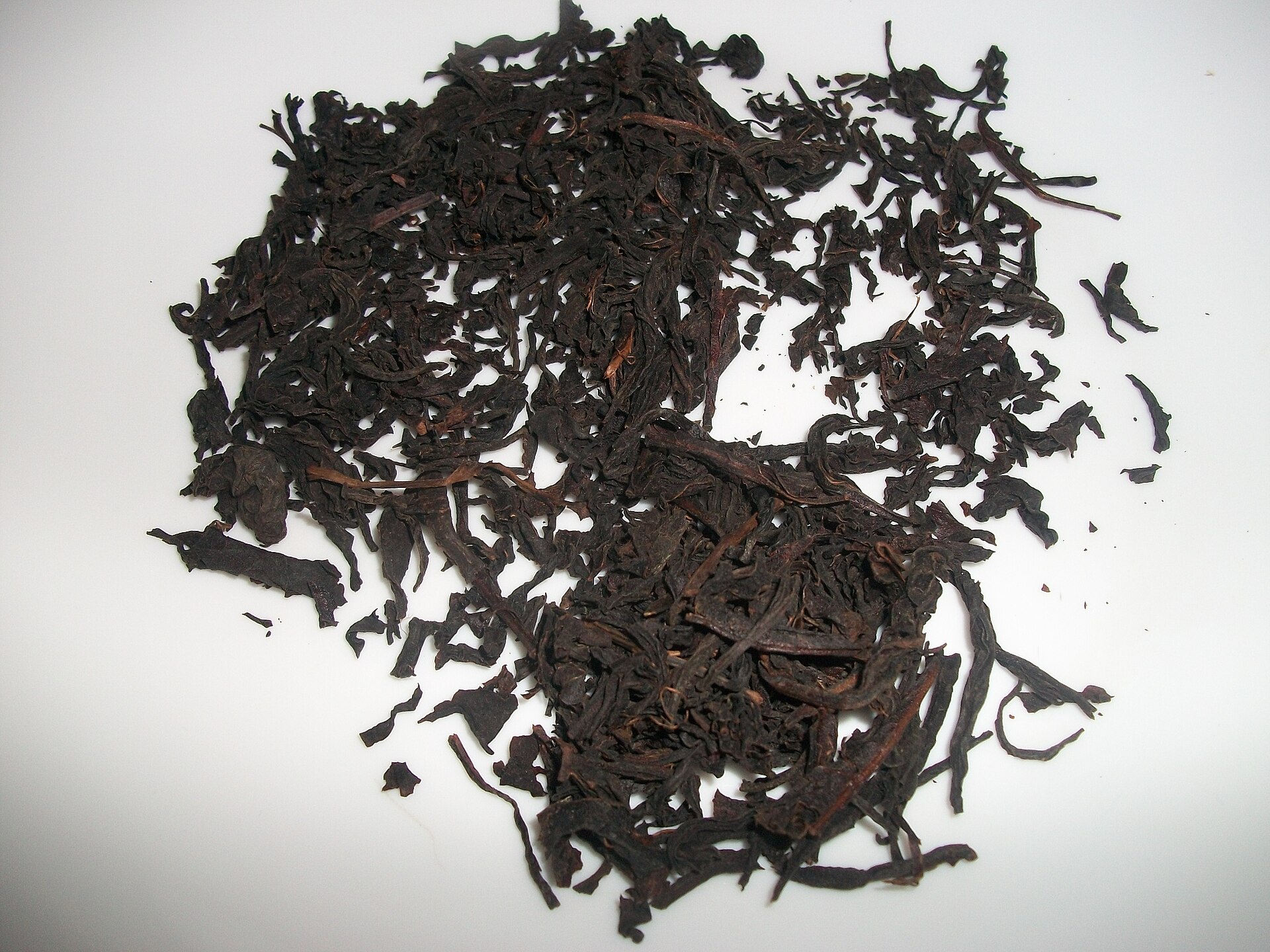
"Bitter" is the word most people reach for when tea feels harsh, but two different sensations get lumped under it — and only one of them is actually bitterness. The dry, puckery, mouth-gripping feeling you get from strong black tea or an unripe persimmon is astringency: a physical sensation, not a taste. Knowing which one is bothering you determines what to change.
The two sensations, separated
Bitterness is a taste. It registers on your tongue — mostly at the back — and it reads as sharp, medicinal, or harsh. The everyday reference: unsweetened coffee, grapefruit pith, dandelion greens.
Astringency is a feeling. It is not tasted so much as felt: a drying, gripping, sandpapery sensation across your whole mouth, as if the moisture were being pulled out. The everyday reference: an unripe banana or persimmon, young red wine, over-steeped black tea.
The 10-second distinction: bitterness lives on your tongue and fades when you swallow; astringency lingers in your whole mouth and makes your cheeks feel dry long after.
What causes each one
Both come mostly from the same family of compounds — tea polyphenols, including catechins and tannins — but they work differently:
Astringency happens when polyphenols bind to the proteins in your saliva. Saliva normally keeps your mouth lubricated; polyphenols pull those proteins out of solution, and the lubrication drops — hence the dry, grippy feeling. Stronger tea, longer steeps, hotter water = more polyphenols = more grip.
Bitterness is produced by a subset of compounds (some polyphenols, plus alkaloids like caffeine contributing) that activate the bitter receptors on your tongue directly. It scales with the same brewing variables but is more sensitive to water temperature — which is why green tea temperature matters so much.
Where each shows up by tea type
Green and white teas: bitterness is the dominant risk — the leaf kept its sharp polyphenols, and hot water releases them fast. Astringency shows up only when over-steeped.
Black teas: astringency is the defining sensation — brisk, gripping structure is the style's signature. Bitterness is possible on long steeps but dryness is what you'll notice first.
Light oolongs: low on both when brewed right — floral and smooth. Heavy steeps bring back the grip.
Young sheng puerh: the astringency champion — deliberately grippy, and prized for it.
Roasted oolongs, aged teas: the smooth end — time and roast mellow both sensations.
Is astringency a flaw?
Not automatically. A brisk Assam or a young sheng puerh is supposed to have grip — tasters call a pleasant level "structure" or "briskness," and it is part of what makes a strong tea feel substantial in the mouth. Astringency becomes a flaw when it overwhelms everything else: when all you can feel is the dryness, the tea was over-steeped, over-heated, over-leafed — or is simply a rough, low-grade leaf.
Bitterness is less forgiving: a mild bitter edge can be intentional and balancing (a brisk breakfast tea), but harsh, lingering bitterness is almost always a brewing error or a leaf problem. The fixes are in why tea tastes bitter.
How to reduce excessive dryness
Same three dials as bitterness, roughly in this order of payoff:
- Cool the water 10°C. Especially for green teas and light oolongs — cooler water pulls fewer polyphenols.
- Shorten the steep 30–60 seconds. Astringency keeps building for as long as the leaf sits in water.
- Use less leaf. A third less leaf often turns a grippy cup into a smooth one with no loss of flavor.
- Choose a gentler leaf. If your palate hates dryness, bud-heavy white teas, Japanese greens brewed cool, and roasted oolongs are naturally low-astringency choices — while strong blacks and young puerh sit at the grippy end.
A note on food pairing
Astringency earns its keep at the table: the same mouth-gripping tannins that feel harsh in a sipped cup cut through rich, fatty, or sweet food beautifully — which is why brisk black tea belongs next to a full breakfast or a dense cake, and why a delicate tea gets bulldozed by them. If a tea feels too dry to enjoy alone, try it with food before writing it off.
When dryness points at the leaf, not the brew
If a careful cool-and-short steep still produces a mouth-drying cup, suspect the leaf grade. Broken leaf, dust, and fannings extract their harshest compounds almost instantly — which is why teabag black tea can feel sandpapery at 60 seconds. Whole-leaf tea of the same type is dramatically smoother. And a tea that has gone stale can taste rougher than it did fresh — worth checking against the freshness signs.
The short version
Bitter = sharp taste on the tongue, mostly a brewing-temperature problem. Astringent = dry grip in the whole mouth, mostly a steep-time and leaf-amount problem. Some of the second is normal and even desirable; harsh levels of either are a signal to cool the water, cut the time, or lighten the leaf — usually in that order.