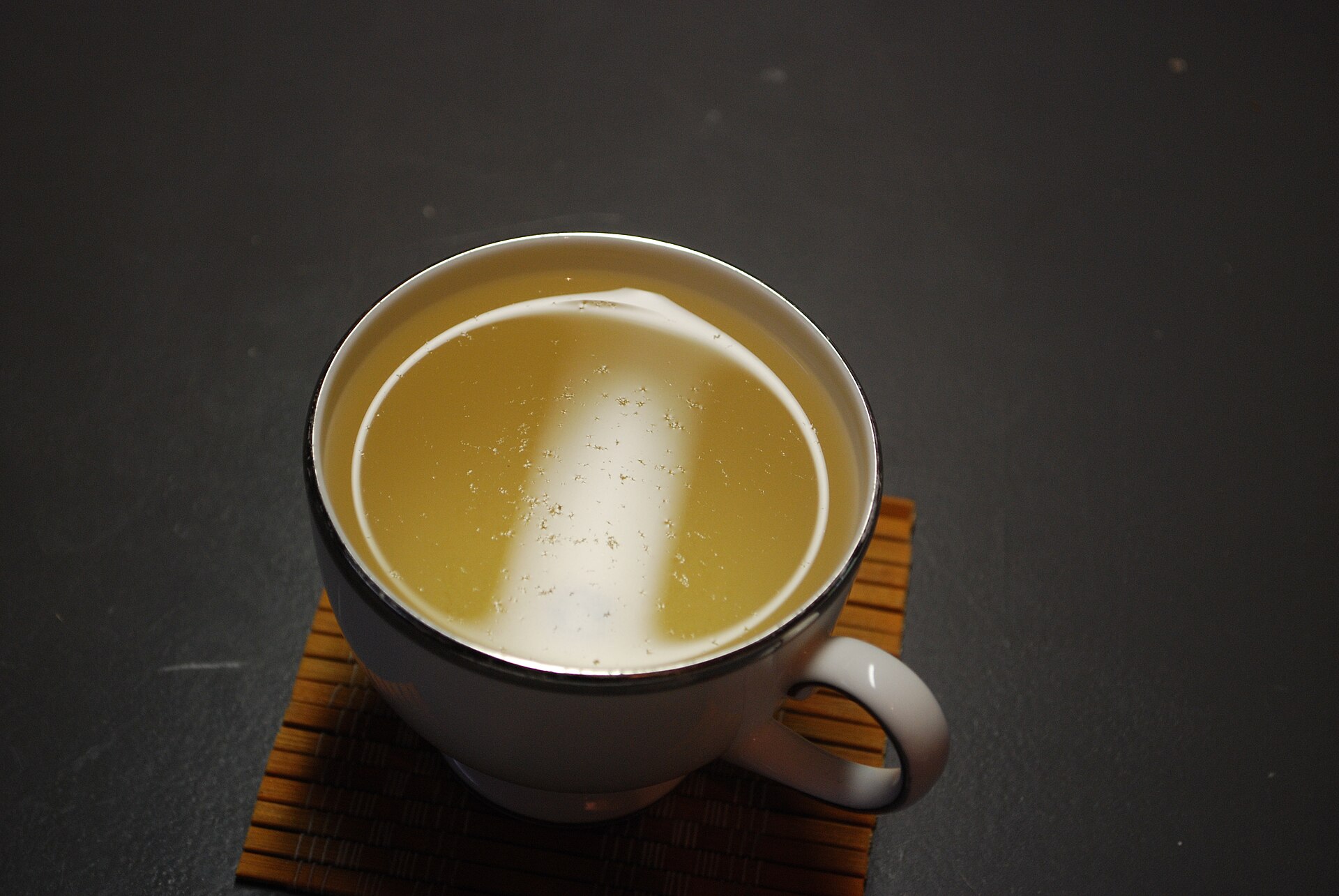
White tea and green tea look similar in the tin — both pale, both "light" — but they are made differently, taste different, and behave differently in the pot. The quick version: green tea is heated shortly after picking to preserve a fresh, vegetal character; white tea is simply withered and dried with as little handling as possible, which produces a softer, more delicate cup.
How each is made
Green tea. Freshly picked leaves are steamed (Japanese style) or pan-fired in a hot wok (Chinese style) within hours of harvest. The heat kills the enzymes that drive oxidation, locking in the leaf's green color and grassy flavor before it can change.
White tea. Leaves and buds are not heated at all in the usual sense. They are laid out — traditionally in sun and shade — and left to wither slowly over a day or more, then gently dried. There is no rolling and no "kill-green" step, so a small amount of natural oxidation happens along the way. Minimal handling is the whole method.
That difference in handling is why white tea leaves look wilder in the tin — whole buds covered in fine silvery hairs, unrolled leaves — while green tea leaves are typically shaped into needles, curls, or flat spearheads by the heat work.
Taste and appearance
Green tea tastes like something fresh: steamed vegetables, grass, sweet peas, toasted nuts or nori, with a clean brisk edge. White tea tastes like something dried gently in the sun: hay, dried grass, melon rind, faint honey, sometimes a soft floral note. Both are light-bodied; white is usually lighter and sweeter, green is usually brighter and more vegetal.
| White tea | Green tea | |
|---|---|---|
| Processing | Withered and dried; minimal handling | Heated early (steamed or pan-fired) |
| Dry leaf | Whole buds/leaves, silvery down, natural shapes | Shaped — needles, curls, flat leaves |
| Liquor | Very pale gold to light apricot | Pale yellow to yellow-green |
| Typical flavor | Hay, honey, melon, soft florals | Fresh, grassy, vegetal, brisk |
| Starting brew temp | ~75–85°C (167–185°F) | ~70–80°C (158–176°F) |
| Famous examples | Silver Needle (buds only), White Peony (buds + leaves) | Sencha, Dragon Well, gyokuro |
The caffeine question
You will often read that white tea is the lowest-caffeine tea. That's a simplification worth correcting. White teas like Silver Needle are made almost entirely of buds, and buds are naturally the most caffeine-rich part of the plant. Whether a specific white tea lands lower or higher than a specific green tea depends on leaf grade, cultivar, and how you brew it — cooler water and shorter steeps extract less caffeine regardless of category.
The honest summary: brewed gently, both are moderate-caffeine drinks, typically well below a cup of coffee. Don't choose white over green purely to avoid caffeine; choose it for the softer flavor. If caffeine matters to you medically, treat any printed figure as a rough range rather than a promise.
Leaf grade changes everything
Two tins both labeled "white tea" can be completely different drinks. Silver Needle is all downy buds — delicate, honeyed, subtle. White Peony includes young leaves alongside the buds — fuller, fruitier, easier to brew well. On the green side, the same logic applies: a bud-heavy early spring picking tastes sweeter and softer than a coarse late-harvest leaf. When two teas in the same category taste wildly different, leaf grade is usually the first suspect, ahead of origin or price.
Brewing each one
Both teas reward cooler-than-boiling water. For green tea, start around 70–80°C (158–176°F) for 1–2 minutes — the details and troubleshooting table are in best water temperature for green tea. White tea tolerates slightly hotter water — around 75–85°C (167–185°F) — and a slightly longer steep, 2–4 minutes, because its withered leaves give up flavor more slowly. Cheap trick for white tea: it re-steeps well, so the second and third cups are often better than the first.
Price and what to buy first
Genuine bud-only white teas (Silver Needle) are expensive because the raw material is scarce — small, hand-picked buds that appear only briefly in spring. Leaf-including white teas like White Peony deliver most of the character for much less money and are the sensible first buy. On the green side, a mid-priced sencha or Dragon Well-style tea is the reliable entry point; ultra-cheap green tea is often old or fannings-grade and brews harsh no matter what you do.
Whichever you choose, buy a small amount first — the checklist in how to choose tea for beginners applies here — and store it airtight away from light, since both types lose their delicate top notes quickly.
Which one is for you?
Pick green tea if you want a brighter, fresher, more "alive" cup — the flavor of spring vegetables and cut grass, with a bit of pleasant bite. Pick white tea if you want something gentler and sweeter that asks less of you in the teapot, and you enjoy subtle over bold. If even green tea tastes too grassy, white tea is usually the fix; if white tea feels too quiet, a pan-fired Chinese green like Dragon Well splits the difference nicely.