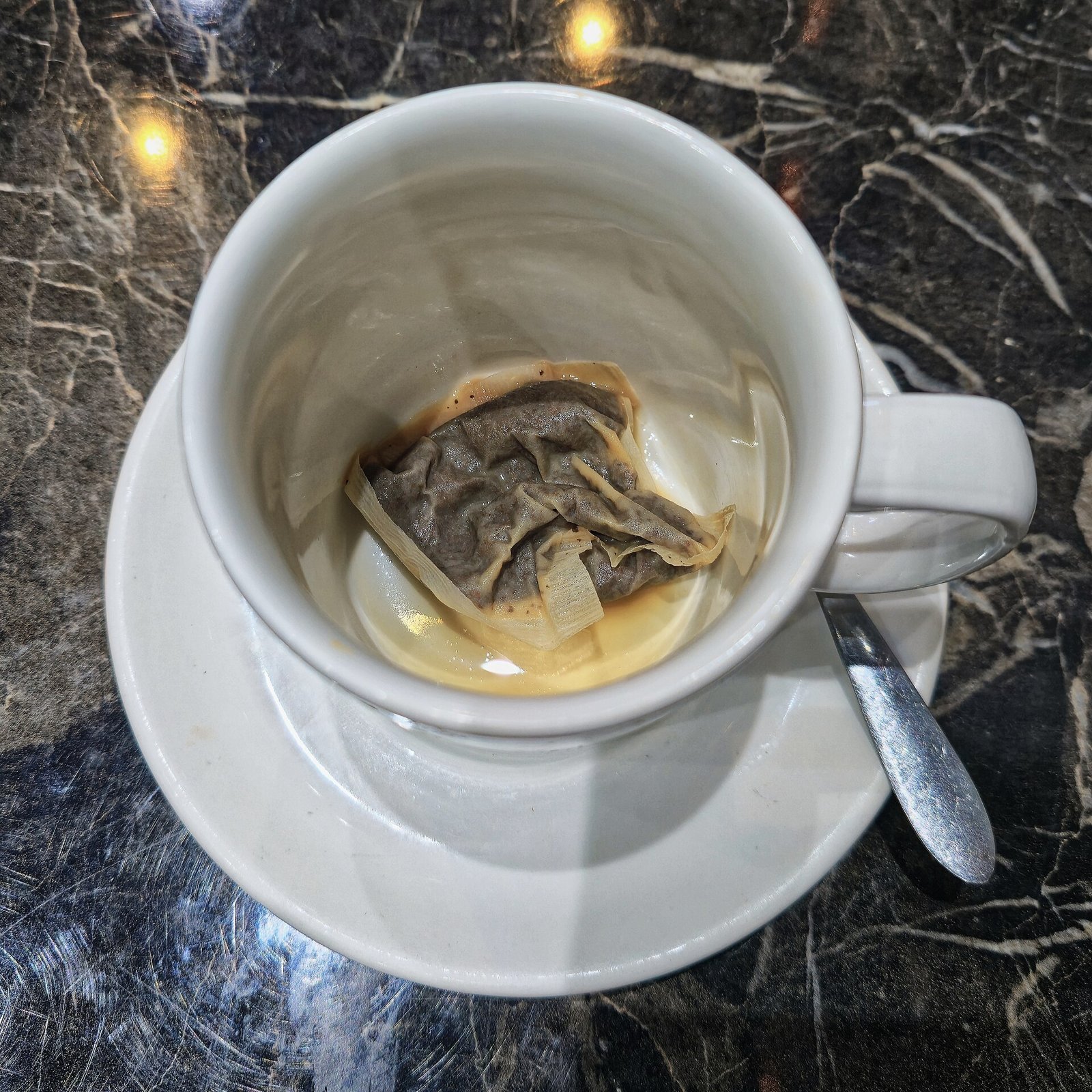
Yes, green tea can stain your teeth, although the effect varies from person to person. If you drink it every day, you may eventually notice yellow or brown discoloration on your teeth, particularly around the gumline or between teeth.
That doesn't mean you need to give up green tea. Black tea, coffee, and other deeply colored drinks can also contribute to surface stains. The more useful question is how to keep your teeth clean while continuing to enjoy the drinks you like.
The good news is that a few everyday habits can help reduce staining. Understanding why it happens, what actually removes tea stains, and when to see a dentist can make a difference.
Why Can Green Tea Stain Your Teeth?
Green tea contains plant compounds called polyphenols, including catechins. Some compounds in tea can interact with the tooth surface and contribute to discoloration over time.
Many tea stains are considered extrinsic stains, meaning they develop on the outside of the teeth rather than changing the natural color of the tooth from within.
Your enamel is not perfectly smooth at a microscopic level. Pigmented compounds can accumulate on its surface, especially when plaque and other deposits are present. This can make discoloration more noticeable with frequent exposure to tea and other colored beverages.
A 2024 study published in the Italian Journal of Food Science compared the staining effects of green tea, black tea, and two types of coffee on bovine enamel specimens. All the tested drinks caused measurable discoloration under the experimental conditions, while one of the black teas produced the strongest staining effect.
However, this was a laboratory study involving extracted animal enamel, not a long-term study of people drinking tea normally. It supports the possibility of staining but cannot predict exactly how much discoloration you will experience.
Does green tea stain teeth less than black tea or coffee?
Green tea may cause less staining than some other drinks, but you shouldn't assume that its lighter color means it cannot stain your teeth.
In the 2024 study, the tested black tea produced the greatest discoloration. The results also showed that the relationship between individual tea compounds and staining was not straightforward.
Coffee can also cause noticeable surface stains, and the effect depends on the beverage, the tooth surface, and individual habits.
If you drink green tea regularly, the practical takeaway is simple: switching to green tea may change your exposure to staining compounds, but it won't guarantee whiter teeth.
How to Prevent Green Tea Stains Without Giving Up Tea
If you enjoy several cups of tea a day, you don't necessarily have to stop. Focus on reducing prolonged contact with the drink and maintaining a consistent oral hygiene routine.
Rinse your mouth with water after drinking tea
One of the easiest habits is to drink or rinse with plain water after finishing your tea.
Water helps clear away some of the remaining beverage from your mouth. It is a simple, low-risk habit, although it cannot guarantee that stains won't develop.
You don't need to brush your teeth immediately after every cup. If you have also consumed something acidic, such as lemon added to tea, rinse with water and wait before brushing to reduce the risk of brushing softened enamel.
Brush twice a day with fluoride toothpaste
Good oral hygiene helps remove plaque and everyday deposits that can make surface discoloration more noticeable.
Brush for two minutes twice daily with fluoride toothpaste, using a soft-bristled toothbrush. Clean between your teeth once a day with floss or another suitable interdental cleaner.
If you already brush consistently but still notice staining, don't assume you're doing something wrong. Some surface stains are stubborn, and normal brushing may not remove all of them.
Avoid sipping tea continuously throughout the day
If you carry a mug of tea around and take small sips for hours, your teeth are exposed to the drink repeatedly.
Consider enjoying your tea during a defined break rather than sipping it continuously from morning until evening. This may reduce repeated exposure, although the extent to which it prevents staining has not been firmly established.
You don't need to impose a strict limit on how many cups you drink purely for cosmetic reasons. Your overall oral health, preferences, and other factors also matter.
Be careful with whitening toothpaste
Whitening toothpaste can help remove certain surface stains, but it does not change every type of tooth discoloration.
According to the American Dental Association, whitening toothpastes generally work on extrinsic stains. They are not a reliable solution for discoloration originating inside the tooth.
Choose a product with credible evidence of safety and effectiveness, and follow its instructions. Avoid scrubbing aggressively or using abrasive homemade mixtures in an attempt to make your teeth whiter faster.
Can You Remove Green Tea Stains at Home?
It depends on how much staining has developed and what is causing it.
Mild surface stains may improve with consistent brushing and a whitening toothpaste designed to remove extrinsic discoloration. However, stains that have accumulated around the gumline or between teeth may be harder to remove with a toothbrush alone.
If the discoloration persists despite good oral hygiene, a professional dental cleaning may help. A dentist can examine your teeth and determine whether the problem is surface staining, tartar buildup, or another type of discoloration.
It's also important to distinguish staining from a change in the natural color of your teeth. Yellowing is not always caused by tea. Tooth color can change with age, enamel characteristics, certain medications, and other dental conditions.
Avoid trying to scrape stains off with sharp objects or using lemon juice, vinegar, or harsh abrasive powders to whiten your teeth. These methods can irritate oral tissues or damage tooth surfaces.
If a tooth becomes discolored suddenly, particularly if only one tooth changes color or you also experience pain, arrange a dental assessment rather than assuming tea is responsible.
Does Adding Milk to Tea Help Prevent Stains?
Possibly, but the evidence is limited.
A laboratory study published in the International Journal of Dental Hygiene found that adding milk reduced tea's staining effect on extracted human teeth under the study conditions. The researchers identified casein, a protein in milk, as an important factor in the observed effect.
That is an interesting finding, but it does not prove that adding milk to every cup of tea will prevent staining in everyday life. The study was conducted outside the human mouth, where saliva, eating habits, tooth cleaning, and other factors affect the results.
If you already enjoy milk in your tea, there is no need to stop. But adding milk solely to prevent stains is not a substitute for good oral hygiene, and it is not guaranteed to keep your teeth white.
Can Other Types of Tea Stain Your Teeth Too?
Yes. If you drink several kinds of tea, the same general concerns apply.
Black tea can produce noticeable staining. Its dark color and particular polyphenols may contribute to surface discoloration, and the 2024 laboratory study found the strongest staining effect with one of the tested black teas.
Oolong tea is partially oxidized and can vary considerably in color and composition. It may also contribute to staining, although the degree depends on the tea and the circumstances of use.
White tea is often lighter in color, but that doesn't mean it is completely stain-free. There is not enough evidence to promise that switching to white tea will prevent tooth discoloration.
Herbal teas vary widely. Some are pale, while others contain strongly colored ingredients. Certain herbal drinks may also be acidic, particularly when they contain citrus or fruit ingredients.
Coffee and other colored beverages can contribute to surface stains as well. Rather than trying to find one drink that never stains teeth, it is more useful to maintain good oral hygiene and seek dental advice if discoloration becomes persistent.
When Should You See a Dentist About Tea Stains?
If your teeth have developed gradual, mild discoloration and you have no other symptoms, start with consistent oral hygiene and observe whether the appearance improves.
Consider making a dental appointment if:
- Brown or yellow deposits remain despite regular brushing.
- You notice hard buildup near the gumline.
- Stains are concentrated between teeth or in areas your toothbrush cannot easily reach.
- Your teeth become unusually sensitive or the gums bleed regularly.
- One tooth changes color suddenly or discoloration comes with pain.
A dentist can identify the cause and explain whether a professional cleaning, whitening treatment, or another approach is appropriate.
Professional cleaning and teeth whitening are not the same thing. Cleaning removes plaque, tartar, and certain surface stains. Whitening treatments are designed to lighten tooth color and may not be necessary if the problem is simply a small amount of surface staining.
Keep Enjoying Tea While Looking After Your Teeth
Green tea can stain teeth, but that doesn't mean every tea drinker will develop obvious discoloration or that you need to give up your favorite drink.
If you enjoy green tea, black tea, or coffee, focus on simple habits: rinse with water after drinking, brush twice daily with fluoride toothpaste, clean between your teeth, and avoid abrasive home remedies.
If surface stains persist, a dentist can help determine whether professional cleaning or another treatment is appropriate.
The goal isn't to eliminate every drink that might stain your teeth. It's to understand the risk, take sensible precautions, and keep your teeth healthy while enjoying the beverages you love.