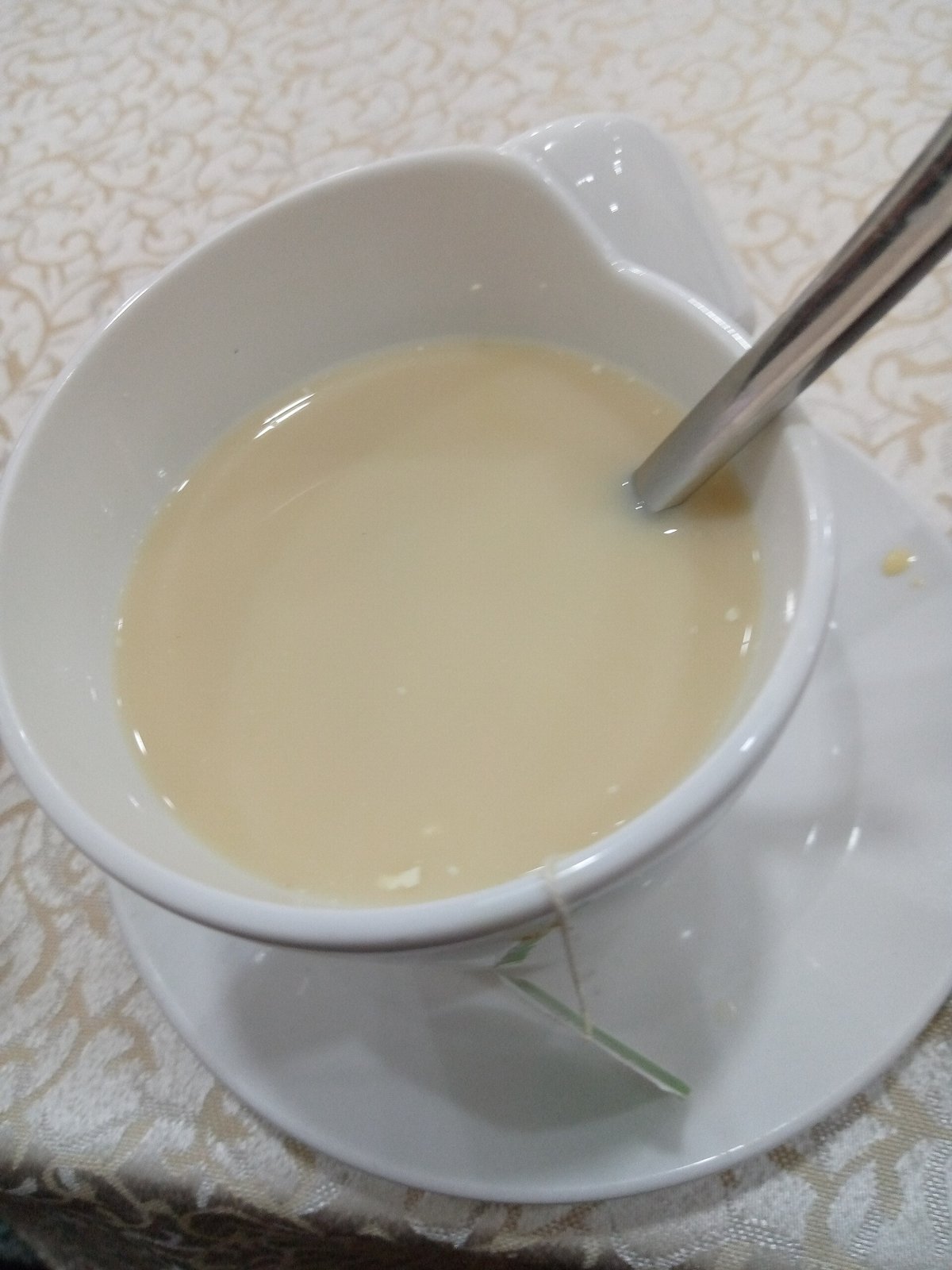
Green tea does contain caffeine, even though it usually has less than coffee. An 8-ounce (237 ml) cup of brewed green tea typically contains around 23–49 mg of caffeine, while the same amount of brewed coffee contains roughly 100–120 mg, according to Harvard Health. The exact amount depends on the tea and how it is prepared.
That difference matters if you drink green tea throughout the day, switch from coffee to tea to reduce caffeine, or find yourself struggling to fall asleep after an afternoon cup.
The important question isn't just how much caffeine green tea contains. It's how much you're actually drinking, when you drink it, and how your body responds.
Does Green Tea Have Caffeine?
Yes. Green tea naturally contains caffeine because it comes from the Camellia sinensis plant, the same plant used to make black, white, and oolong tea.
The main difference between these teas is how their leaves are processed. Green tea leaves are heated after harvesting to limit oxidation, helping preserve their characteristic color and flavor. This processing does not remove their natural caffeine.
Green tea also contains L-theanine, an amino acid that has been studied for its effects on attention and mental performance. However, its presence does not cancel out caffeine or guarantee that green tea won't interfere with sleep.
If you're trying to avoid caffeine completely, regular green tea isn't the right choice. Decaffeinated green tea contains much less caffeine, but it may still contain a small amount. Naturally caffeine-free herbal infusions, such as peppermint or chamomile, are alternatives if you want a warm drink without the caffeine found in traditional tea.
How Much Caffeine Is in a Cup of Green Tea?
A useful starting point is approximately 23–49 mg of caffeine per 8-ounce cup of brewed green tea. This is a typical range rather than a fixed amount for every cup.
Here's how green tea compares with other popular drinks.
| Drink | Approximate caffeine per 8 oz (237 ml) |
|---|---|
| Brewed green tea | 23–49 mg |
| Matcha | 38–89 mg |
| Brewed coffee | 100–120 mg |
| Decaffeinated tea | A small residual amount; varies by product |
| Herbal tea without caffeinated ingredients | 0 mg |
Sources: Harvard Health Publishing and Harvard's Nutrition Source. Actual caffeine levels vary by product and preparation.
Why does the amount vary?
Two cups of green tea can contain noticeably different amounts of caffeine, even if they look similar.
The type of tea matters. Different green tea varieties can have different caffeine concentrations. Matcha deserves special attention because you consume powdered tea leaves rather than only the liquid in which leaves have been steeped.
The amount of tea you use matters. A large scoop of loose leaves or multiple tea bags can produce a stronger cup than a single tea bag in the same volume of water.
Brewing time and water temperature matter. Hotter water and longer steeping generally extract more caffeine from tea leaves. However, the exact effect depends on the tea and brewing conditions.
Cup size matters. A 16-ounce drink can contain substantially more caffeine than an 8-ounce serving if the tea is prepared at a similar strength. Ready-to-drink green tea products may have different concentrations, so check the label when caffeine intake is important to you.
This is why a single number cannot accurately describe every cup of green tea. If you need to limit caffeine for sleep or another reason, the type of product and your actual serving size are more useful than relying on an average alone.
Can Green Tea Affect Your Sleep?
It can. Green tea contains less caffeine than most brewed coffee, but that doesn't mean it is harmless to your sleep at every time of day.
Caffeine stimulates the central nervous system and can make you feel more alert. For some people, consuming it later in the day makes it harder to fall asleep. Others notice lighter sleep, nighttime waking, or feeling less rested the next morning.
Your response depends on several factors, including the amount you consume, how sensitive you are to caffeine, your usual caffeine habits, and when you go to bed.
How late is too late to drink green tea?
There isn't one cutoff time that works for everyone.
Imagine that you usually go to bed at 11 p.m. and drink a large cup of green tea at 7 p.m. If you are sensitive to caffeine, that evening drink could make it harder to fall asleep, even though it contains less caffeine than coffee.
Someone else might drink the same tea without noticing a difference. That doesn't mean either person's experience is unusual; caffeine sensitivity varies.
If you suspect green tea is affecting your sleep, try these steps:
- Move your last caffeinated tea to the morning or early afternoon.
- Reduce the amount of tea leaves you use, or choose a weaker serving.
- Keep a short record of when you drink tea and how well you sleep.
- Compare your sleep on days when you avoid afternoon and evening caffeine.
Change one habit at a time so you can better judge whether it makes a difference.
You don't necessarily need to stop drinking green tea altogether. If you enjoy it in the evening, switching to a caffeine-free herbal infusion may be a more practical solution.
Green Tea vs. Coffee: Which Has Less Caffeine?
For typical brewed servings of the same size, green tea generally contains considerably less caffeine than coffee.
An 8-ounce cup of green tea might provide around 23–49 mg, compared with approximately 100–120 mg in brewed coffee. That makes green tea a reasonable option if you want to reduce your caffeine intake without giving up a warm morning drink.
However, the comparison changes with serving size and preparation. A large, strong green tea can contain more caffeine than a small, weak coffee. Matcha can also contain more caffeine than ordinary brewed green tea.
There is another important distinction: less caffeine does not automatically mean no sleep disruption.
If you are switching from coffee because it makes you feel jittery, green tea may help you consume less caffeine per serving. But if even small amounts make you uncomfortable or interfere with sleep, you may need to reduce your intake further.
Also consider everything else you drink during the day. Coffee in the morning, green tea at lunch, chocolate in the afternoon, and an energy drink later on all contribute to your overall caffeine intake.
How to Get Less Caffeine From Green Tea
If you like green tea but want to consume less caffeine, you have several options. The best choice depends on whether you want to keep the same flavor, reduce your intake gradually, or avoid caffeine as much as possible.
Use fewer tea leaves
Reducing the amount of loose tea or using one tea bag instead of multiple bags can lower the amount of caffeine available for extraction.
The result will also have a lighter flavor, so adjust the amount gradually until you find a balance you enjoy.
Try a shorter brewing time
Caffeine is extracted as tea steeps, so shortening the brewing time can reduce the amount extracted. However, it will not remove all the caffeine, and the reduction varies with the tea and brewing conditions.
If you already brew your tea for a short time, changing the steeping time may make only a modest difference.
Choose decaffeinated green tea
Decaffeinated green tea is often the most straightforward option if you want to keep the familiar taste while consuming less caffeine.
The term "decaf" does not mean completely caffeine-free. Decaffeination removes most, rather than necessarily all, of the caffeine. If you are highly sensitive to caffeine, check the product information or contact the manufacturer to ask about the residual amount.
Be careful with matcha
Matcha is still green tea, but its caffeine content can be higher than that of ordinary brewed green tea. Because you consume the powdered leaves, switching from regular green tea to a large matcha drink may not help you reduce your intake.
If your goal is to consume less caffeine, pay attention to the amount of matcha powder used rather than assuming all green tea drinks have similar caffeine levels.
How Much Green Tea Can You Drink in a Day?
There isn't a universal number of cups that is right for everyone. Your total caffeine intake, individual sensitivity, sleep quality, and health circumstances all matter.
The US Food and Drug Administration cites 400 mg of caffeine per day as an amount not generally associated with negative effects for most healthy adults. That figure is a general reference point, not a target to aim for, and some people experience unwanted effects at much lower amounts.
For example, if each cup contains 40 mg of caffeine, three cups provide about 120 mg. Four cups provide about 160 mg. These calculations are estimates; stronger tea or larger servings may contribute more.
If you drink coffee as well, include that caffeine in your daily total. And if you regularly experience difficulty sleeping, a racing heartbeat, anxiety, or jitters after drinking tea, consider reducing your intake rather than relying on the general adult guideline.
People who are pregnant, breastfeeding, taking certain medications, or managing a health condition may need more specific advice about caffeine. Consult a qualified healthcare professional if you are unsure what amount is appropriate for you.
Common Questions About Green Tea Caffeine
Does green tea have more caffeine than black tea?
Not necessarily. Caffeine levels vary by tea variety, serving size, and preparation. Some black teas contain more caffeine than some green teas, so the tea's color alone is not a reliable guide.
Does decaf green tea still have caffeine?
Yes, it can. Decaffeination removes most of the caffeine, but small amounts may remain. If you need to avoid caffeine strictly, look for a product with clearly stated caffeine information or choose a naturally caffeine-free herbal infusion.
Does matcha have more caffeine than regular green tea?
Often, yes. Matcha is made from powdered green tea leaves that are consumed rather than strained out after brewing. Its caffeine content depends on the amount of powder used, but a serving can contain substantially more caffeine than a typical cup of brewed green tea.
Is green tea okay before bed?
That depends on your caffeine sensitivity, serving size, and bedtime. If you find it difficult to fall asleep after drinking green tea in the evening, move it earlier in the day or switch to a caffeine-free drink.
The Bottom Line
Green tea contains caffeine, but an ordinary brewed cup usually provides much less than a similar serving of coffee. The amount can change with the tea variety, serving size, and brewing method, so the number on a general chart is only a starting point.
If you're asking because you want to sleep better or reduce your caffeine intake, focus on when you drink green tea, how strong you make it, and how your body responds. You may not need to give it up; changing the timing or choosing a lower-caffeine alternative could be enough.