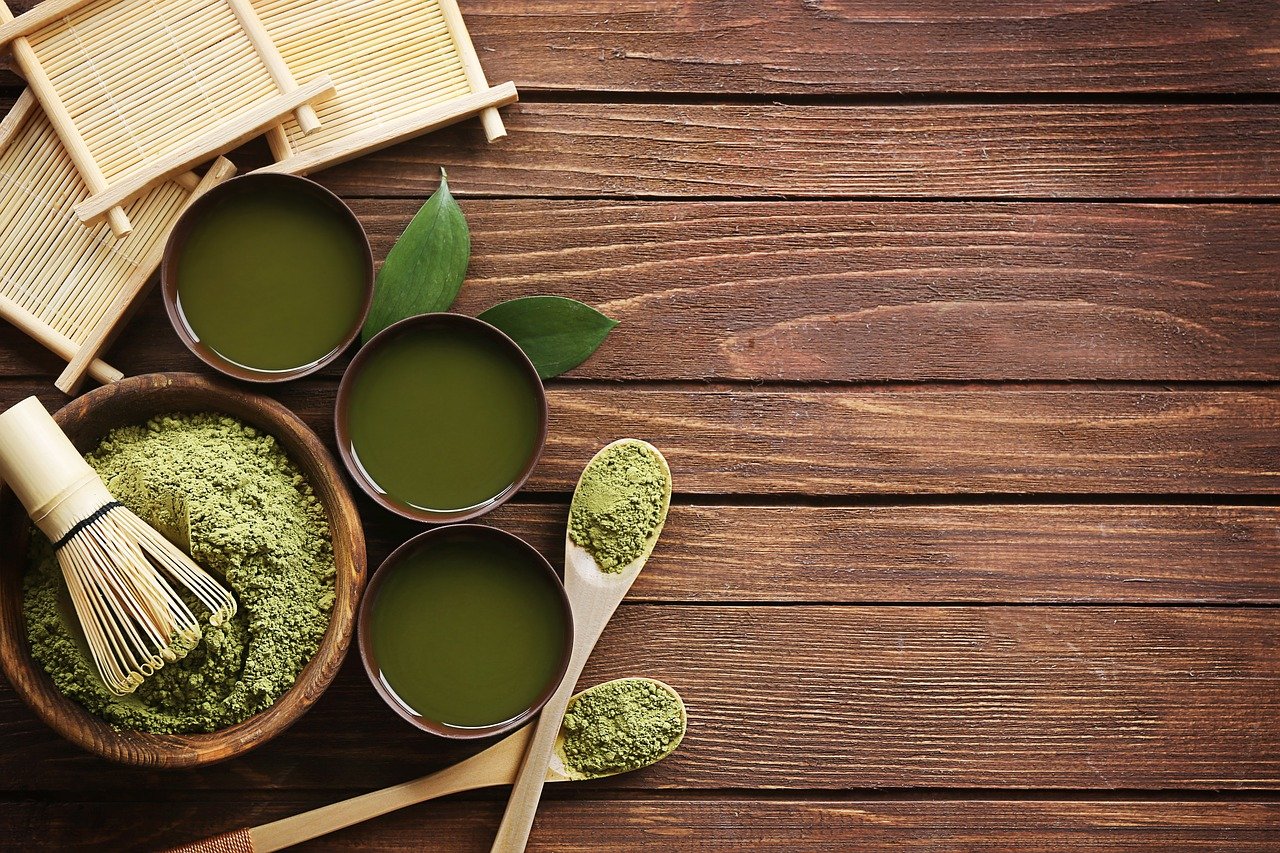
Yes, matcha is green tea. But if you have only tried green tea bags or loose-leaf green tea, matcha may seem like a completely different drink. It comes as a bright green powder, has a stronger flavor, and is often used to make lattes and smoothies.
The difference is not the tea plant itself. It comes down to how the leaves are grown, processed, and prepared. Understanding these differences can help you decide whether matcha is worth trying and which type to buy.
Is Matcha a Type of Green Tea?
Yes. Matcha is a type of powdered green tea made from the tea plant Camellia sinensis, the same plant used to make many other teas, including black tea and oolong tea.
What separates green tea from black tea is mainly how the leaves are processed after harvesting. Green tea is heated to limit oxidation, while black tea undergoes more extensive oxidation.
Matcha belongs to the green tea category, but it follows a more specialized production process. The plants are typically shaded before harvest, and the prepared leaves are ground into a fine powder.
There is one important distinction: not every green tea powder is matcha. Simply grinding ordinary green tea leaves does not automatically produce authentic matcha. The growing and processing methods also matter. The International Organization for Standardization's matcha report describes how cultivation and manufacturing help define matcha and influence its characteristics.
How Is Matcha Different From Regular Green Tea?
Matcha and regular green tea start from the same plant, but they can taste and feel quite different in the cup.
| Difference | Matcha | Regular green tea |
|---|---|---|
| Form | Fine green powder | Loose leaves or tea bags |
| Growing method | Traditionally shade-grown before harvest | Depends on the tea type; many varieties grow without the same shading process |
| Preparation | Whisked or mixed directly into liquid | Steeped in water, then the leaves are removed |
| Flavor | Often rich, vegetal, savory, and slightly sweet | Can be light, grassy, floral, or astringent |
| Texture | Fuller, sometimes slightly creamy | Usually a clear, lighter-bodied infusion |
| Common uses | Tea, lattes, smoothies, baking | Hot tea, iced tea, and tea blends |
Matcha Is Made Differently
Traditional matcha production involves shading tea plants before harvest. The harvested leaves are processed into tencha, with stems and veins removed before the leaf material is finely ground.
This process contributes to matcha's characteristic color and flavor. Depending on its quality and preparation, matcha may taste sweet, vegetal, savory, or mildly bitter.
Regular green tea can be produced in different ways depending on the variety and region. The leaves are commonly steamed or pan-fired, rolled or shaped, and dried. They are then steeped to make tea.
You Drink the Whole Leaf With Matcha
This is one of the biggest practical differences.
When you brew regular green tea, water extracts flavor and other compounds from the leaves. You usually remove the leaves before drinking.
With matcha, you whisk the powder into water and consume the suspended tea leaf itself. That is why matcha has a stronger body and can leave a fine, slightly powdery sensation if it has not been mixed well.
It also means that caffeine content cannot be compared by name alone. A typical serving of matcha may provide more caffeine than a typical cup of brewed green tea, but the amount depends on the quantity of tea used, the product, and the brewing method.
If you are sensitive to caffeine, check the serving size and avoid assuming that matcha is caffeine-free simply because it is green tea.
Matcha Usually Has a More Intense Flavor
Regular green tea can be delicate and refreshing, especially when brewed with water at an appropriate temperature. Matcha is generally more concentrated in flavor because the ground leaf remains in the drink.
Good matcha can have a rounded, savory taste often described as umami. Lower-quality matcha or poorly prepared matcha may taste noticeably bitter or harsh.
Neither drink is automatically better. If you prefer a light tea to sip throughout the day, regular green tea may suit you better. If you enjoy a fuller flavor or want a tea that works well with milk, matcha is worth trying.
Is Matcha Healthier Than Regular Green Tea?
Both can be part of a balanced diet. Matcha and regular green tea contain naturally occurring compounds such as catechins, but their composition and the amount consumed per serving can differ.
Because matcha involves consuming the powdered leaf rather than just an infusion, it may deliver different amounts of caffeine and other tea compounds. However, that does not mean every matcha drink is healthier than every cup of green tea.
Preparation matters, too. Plain matcha and matcha made with several spoonfuls of sugar or sweetened syrup are very different drinks nutritionally.
Research has examined matcha's chemical composition and potential health effects, but it is important not to treat laboratory findings or early studies as proof that matcha prevents or treats specific diseases. For everyday choices, consider your caffeine tolerance, serving size, and what you add to your drink.
Can You Use Matcha Instead of Green Tea?
Sometimes, but the results will be different.
For a regular cup of tea: Matcha can be whisked into warm water, but it will be more intense and less clear than brewed green tea.
For a latte: Matcha is usually the more practical choice because its powdered form mixes directly with a small amount of liquid before milk is added. Start with a small serving and adjust the amount to your taste.
For smoothies and baking: Matcha can add tea flavor and green color to smoothies, cakes, cookies, and other recipes. Ordinary brewed green tea generally cannot provide the same concentrated flavor without adding extra liquid.
If you are buying matcha specifically for lattes or baking, you do not necessarily need the most expensive product. Look for a powder whose flavor works with your recipe, and check the ingredient list to make sure you are buying matcha rather than a sweetened instant drink mix.
Does Matcha Have to Come From Japan?
Japan is strongly associated with matcha, but tea production is not limited to one country. What matters is the product's growing and processing method, not simply the country printed on the package.
If you are comparing products, pay attention to the origin, processing details, freshness, color, flavor, and intended use. A lower price may be attractive, especially if you mainly make milk-based drinks, but price alone does not tell you how a matcha will taste.
For a closer look at how origin can affect the buying decision, read our guide to Japanese Matcha vs. Indian Matcha: Taste, Price, and Which Is Better for Lattes?. It compares reported prices, flavor expectations, and practical uses, including lattes and baking.
Conclusion
Matcha is green tea in powdered form, but its specialized growing and processing methods make it different from the green tea most people brew from leaves or tea bags.
Choose regular green tea if you prefer a lighter infusion. Try matcha if you want a fuller flavor for whisked tea, lattes, smoothies, or baking. Once you understand that both drinks belong to the same broad tea category, the choice becomes less about which one is better and more about how you like to drink it.