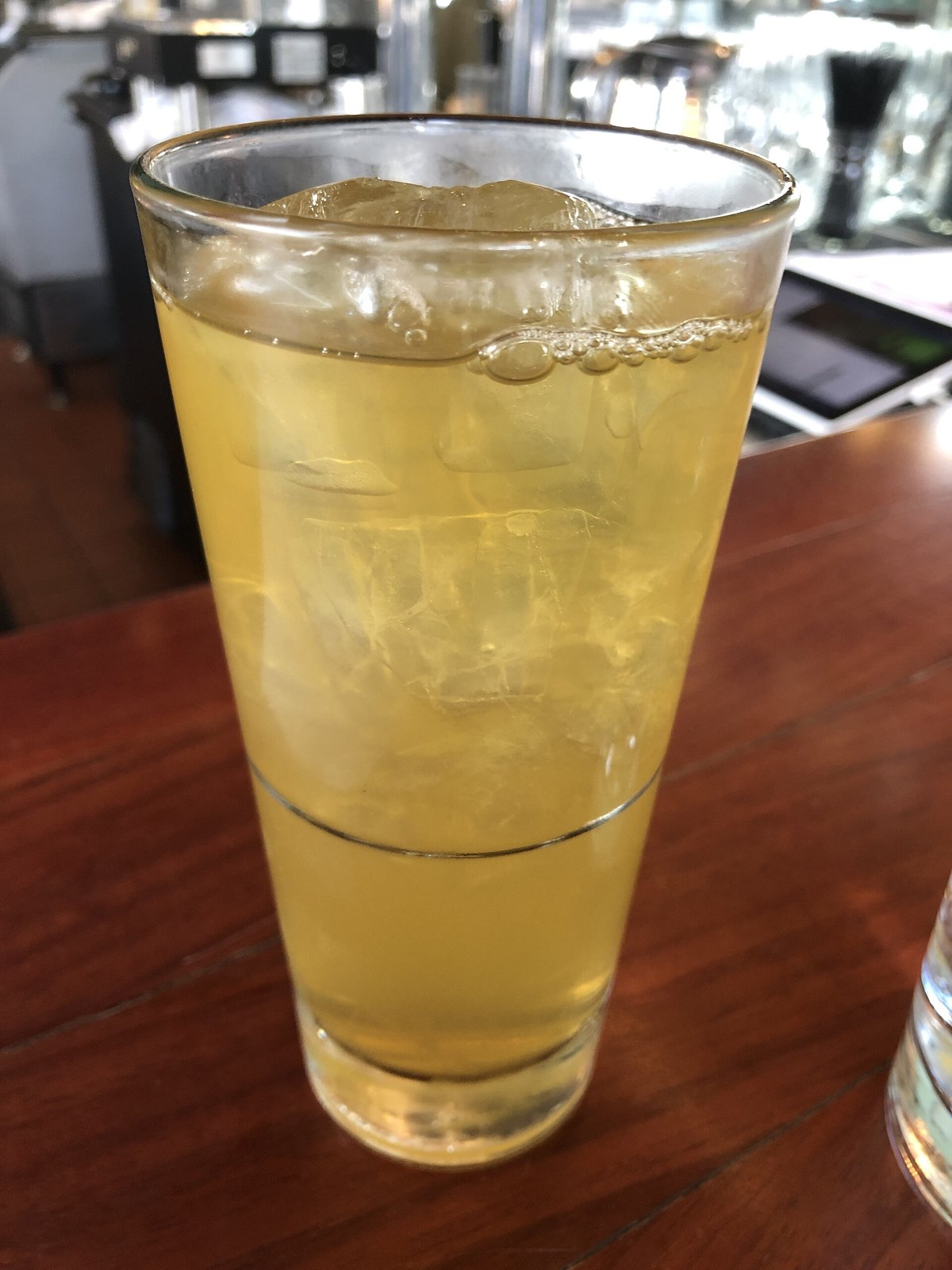
If you drink green tea every day, you may wonder whether it could make you gain weight. The good news is that plain, freshly brewed green tea contains very few calories, so drinking it without added sugar or other high-calorie ingredients is unlikely to contribute much to your daily energy intake.
The answer can change when you add honey, sugar, flavored syrups, or milk, or choose a sweetened bottled green tea. These drinks can contain considerably more calories than tea brewed at home.
It's also worth separating two different questions: whether green tea can contribute to weight gain and whether it can help you lose weight. Here's what you need to know about its calories, sweetened varieties, and role in a weight-conscious diet.
Is Green Tea Fattening?
Plain, unsweetened green tea is not generally considered a fattening drink. It contains very few calories and no meaningful amount of fat, protein, or carbohydrates when prepared with just tea leaves and water.
Weight gain usually occurs when you consistently consume more energy than your body uses over time. A cup of unsweetened green tea contributes very little to that total.
For example, if you replace a sugary drink with plain green tea, you may reduce your calorie intake without having to change what you eat. However, if you drink green tea alongside your usual meals and snacks, it doesn't automatically cause weight loss.
The distinction matters because green tea is sometimes promoted as a weight-loss drink. Its low calorie content makes it a useful beverage choice, but drinking it alone won't reliably produce significant weight loss.
How Many Calories Are in Green Tea?
Plain brewed green tea typically contains around 0–2 calories per 8-ounce (240 ml) cup, depending on the preparation and nutritional database used.
That makes it a low-calorie option if you're trying to reduce your intake from drinks.
| Type of green tea | What to know about calories |
|---|---|
| Plain brewed green tea | Usually around 0–2 calories per 8 oz |
| Unsweetened iced green tea | Usually very low in calories |
| Green tea with 1 teaspoon of sugar | Adds about 16 calories |
| Green tea with 1 teaspoon of honey | Adds roughly 20–22 calories |
| Sweetened bottled green tea | Varies by brand, serving size, and recipe |
| Green tea latte | Depends on the milk, sweetener, and serving size |
These figures are approximate. For packaged drinks, use the nutrition label rather than assuming every product has the same calorie content.
Does the type of green tea matter?
Ordinary brewed green tea is made by steeping the leaves in water and then removing them. Most of the leaves are not consumed, so the resulting drink is very low in calories.
Matcha is different because you drink the powdered tea leaves mixed into water. Even so, plain matcha prepared without sweeteners is generally a low-calorie beverage. Its calorie content can vary with the amount of powder used.
The bigger difference usually comes from what you add to the tea, not whether you choose ordinary green tea or matcha.
When Can Green Tea Add More Calories?
Green tea itself contributes very few calories, but extra ingredients can change that. If you're tracking your intake, pay attention to the additions rather than worrying about the tea leaves.
Sugar and flavored syrups
Sugar adds calories without providing much nutritional value beyond energy. One teaspoon of sugar contributes approximately 16 calories, while a tablespoon contributes roughly 48 calories.
A little sugar may not make a meaningful difference on its own. However, adding several teaspoons to every cup, especially when you drink multiple cups a day, can increase your total intake.
Flavored syrups can add even more, depending on how much is used. If you prefer sweet tea, try reducing the amount gradually until you find a level of sweetness you enjoy.
Honey
Honey is often perceived as a healthier alternative to sugar, but it still contributes calories and sugars.
A teaspoon of honey contains roughly 20–22 calories. Replacing sugar with honey doesn't automatically make your green tea a weight-loss drink.
If you enjoy honey in tea, you can still include it in a balanced diet. Just count it as an added ingredient rather than treating it as calorie-free.
Milk and creamers
Milk adds calories along with nutrients such as protein and calcium. The amount depends on the type of milk and how much you pour into your cup.
Creamers and sweetened plant-based milk products can also contain added sugars or fats. A green tea latte may therefore have substantially more calories than plain brewed green tea.
You don't have to avoid these additions completely. If reducing calories is your goal, check the portion size and choose the ingredients that fit your preferences.
Is Bottled Green Tea Fattening?
Not necessarily. Bottled green tea can be a convenient option, but its calorie content depends on whether the product is sweetened.
Some bottled teas contain little or no added sugar. Others contain enough sugar to make them more similar to sweetened soft drinks than to plain brewed tea.
The easiest way to tell the difference is to check the nutrition label.
Look at these three details:
- Calories per serving: Check whether the listed serving represents the entire bottle or only part of it.
- Total sugars and added sugars: Added sugars are particularly useful to check when comparing sweetened drinks.
- Bottle size: If a bottle contains two servings and you drink all of it, you need to account for both servings.
For example, a drink containing 70 calories per serving may provide 140 calories if the bottle contains two servings and you finish the whole thing.
Don't rely only on the words "green tea" or images of tea leaves on the packaging. Those tell you what the beverage is based on, not how much sugar it contains.
If you're buying green tea to replace sugary drinks, choose an unsweetened version when you enjoy the taste. If you prefer a sweetened product, compare the labels and choose one with a sugar level that fits your needs.
Can Green Tea Help With Weight Loss?
Green tea is often associated with weight loss because it contains catechins, a type of plant compound, as well as caffeine. Researchers have studied whether these compounds influence energy expenditure and fat metabolism.
However, the evidence does not support treating an ordinary cup of green tea as a reliable weight-loss solution. Research findings vary, and any effect on body weight appears to be limited rather than dramatic.
There is a more practical reason green tea can fit into a weight-management plan: it provides flavor and warmth with very few calories when consumed without sweeteners.
Consider two everyday habits:
- Replacing a regularly consumed sugary drink with unsweetened green tea can reduce the calories you get from beverages.
- Adding several cups of green tea to your existing routine without changing anything else does not guarantee that you'll lose weight.
These are not equivalent. The first can reduce energy intake; the second may simply increase the amount of fluid you drink.
Green tea also contains caffeine. If you drink it late in the day and it affects your sleep, changing the timing or choosing a caffeine-free alternative may be worthwhile. You can learn more in our guide to how much caffeine is in green tea.
How to Drink Green Tea If You're Watching Your Weight
You don't need a complicated tea routine or a special weight-loss product. A few practical habits are enough to make green tea fit into your everyday diet.
Brew it at home when convenient. Use tea leaves or a tea bag and water, then adjust the strength to your taste. Our guide to how to brew green tea explains how to avoid a bitter cup without relying on sugar to improve the flavor.
Choose sweetness deliberately. If you regularly add sugar or honey, try using a little less. You can also experiment with different green tea varieties, since some have naturally sweeter, nuttier, or more delicate flavors.
Check bottled drinks before buying. Compare the calories and added sugars per bottle, not just per serving. Unsweetened bottled tea can be convenient when you don't have time to brew your own.
Pay attention to your overall diet. Green tea can be part of a balanced eating pattern, but it doesn't cancel out the calories from other foods and drinks. Focus on sustainable habits rather than expecting one beverage to change your weight.
So, Should You Avoid Green Tea If You're Trying to Lose Weight?
No. Plain green tea is a low-calorie drink that can fit comfortably into a weight-conscious diet. You don't need to avoid it because you're worried that the tea itself will make you gain weight.
The main thing to watch is what goes into your cup. Sugar, honey, syrups, milk, and some bottled green teas can add calories, so check your usual preparation rather than assuming all green tea drinks are the same.
And while green tea may be a useful alternative to higher-calorie beverages, it isn't a substitute for an overall eating pattern that meets your needs. Enjoy it for its flavor and convenience, and let your broader habits—not claims about a miracle drink—guide your approach to weight management.