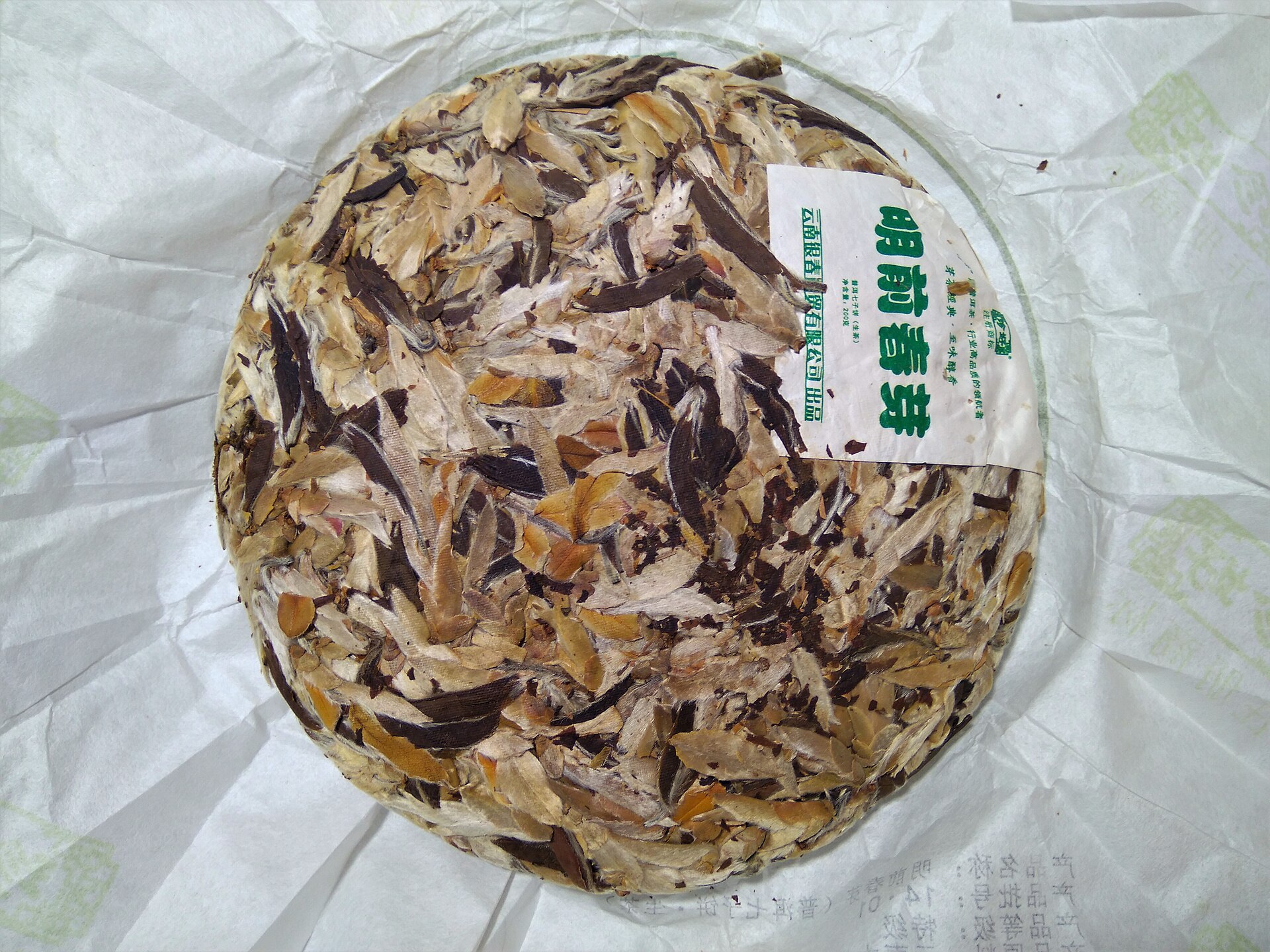
Pu-erh tea can have an earthy, woody, or damp-storage smell, especially if you are new to drinking it. But there is a difference between the deep aroma some pu-erh teas naturally develop and an unpleasant smell that may indicate mold or poor storage.
This can be confusing when you open a newly purchased ripe pu-erh cake, notice a strong smell during the first infusion, or discover that a tea you have stored for several months no longer smells the way it used to.
The key is to look at more than one sign. The type of pu-erh, how it has been stored, whether the smell persists after rinsing, and whether there are visible changes can all help you decide what to do next. However, none of these clues can confirm that a tea is safe to drink on its own.
Why Does My Ripe Pu-erh Tea Smell Like Dirt or a Warehouse?
Ripe pu-erh, also called shou pu-erh, goes through a controlled fermentation process before it is sold. This process helps develop its dark color and mellow, earthy character.
As a result, a newly purchased ripe pu-erh may smell like damp soil, fallen leaves, old wood, or a storage room. Some cakes also have a strong fermentation aroma when first opened, particularly if they have not had much time to air out after production or packaging.
These smells are not automatically signs of mold.
A more reassuring pattern is an earthy or woody aroma accompanied by a reasonably clean taste. The tea may taste dark, smooth, slightly sweet, or reminiscent of wet leaves without having a sharply unpleasant aftertaste.
On the other hand, be cautious if the tea smells distinctly like spoiled food, a persistently damp basement, or a moldy wall. An unusually sharp, musty odor that seems to cling to the leaves deserves more attention, especially if the tea has also been exposed to moisture.
Raw pu-erh, or sheng pu-erh, can have a different aroma profile. Younger raw tea may smell floral, grassy, fruity, or vegetal, while aged examples can develop woody and earthy notes. A strong damp smell should not automatically be excused as normal aging.
What matters: An earthy smell can be part of ripe pu-erh's character, but an unmistakably moldy or rotten odor is a reason to stop and investigate rather than assume the tea is simply fermented.
Why Does My Pu-erh Smell Strong in the First Infusion but Taste Fine?
Some tea drinkers notice that their pu-erh smells much stronger when they first open the packet or pour hot water over the leaves. After the first infusion, the smell seems less intense, and the tea itself tastes relatively normal.
There are several possible explanations.
First, hot water releases aromatic compounds from the leaves. A smell that was subtle when the tea was dry can become much more noticeable during brewing. Ripe pu-erh may also release concentrated fermentation and storage aromas in its early infusions.
Second, the first rinse can remove some loose particles and release part of the tea's surface aroma. This may make the next infusion smell cleaner.
However, a strong smell followed by a normal-tasting cup does not establish that the tea is safe. Some contaminants cannot be reliably detected by taste or smell, and tasting questionable tea is not a suitable safety test.
If the aroma is simply earthy and the tea has been stored appropriately, the difference between the dry-leaf smell and the brewed flavor may be unremarkable.
If the initial smell is distinctly moldy, sour in an unpleasant way, or reminiscent of spoiled food, do not keep brewing the tea just to see whether the odor disappears. Set it aside and check its storage history and condition.
My Pu-erh Tea Cake Developed a Moldy Smell After Several Months. Why?
A pu-erh cake that smelled normal when purchased but develops a musty smell several months later deserves a closer look. Unlike the fermentation aroma already present in a newly made ripe pu-erh, a new odor can indicate a change in storage conditions.
Moisture is one important factor. Pu-erh absorbs moisture and odors from its surroundings, so storing it in a damp room, a poorly ventilated cupboard, or a container with condensation can affect its condition.
Check the following:
- Humidity: Has the room become more humid, particularly during rainy weather?
- Packaging: Is the wrapper damp, stained, or visibly damaged? Has moisture entered a sealed bag or container?
- Storage location: Was the cake kept near a sink, a bathroom, a damp wall, or another source of moisture?
- Nearby odors: Was it stored beside spices, cleaning products, or other strongly scented items?
- Changes over time: Did the smell develop gradually, or did a new, distinctly moldy odor appear suddenly?
These clues can help identify possible storage problems, but they cannot establish whether the entire cake is safe.
A clean-looking surface does not rule out contamination inside the compressed leaves. Likewise, a discolored patch does not always identify a particular type of mold by appearance alone.
If the cake has developed a persistent moldy smell, especially after possible moisture exposure, the safest choice is not to drink it. Do not assume that removing one suspicious section will make the remainder safe. When the condition is uncertain, consult the seller or a qualified food-safety professional rather than trying to salvage the tea.
If the Musty Smell Disappears After Rinsing, Can I Still Drink the Tea?
Not necessarily.
Rinsing pu-erh with hot water can reduce some surface aromas and wash away loose particles. That explains why a strong warehouse-like smell may become less noticeable after the first rinse.
But a weaker smell after rinsing is not proof that the tea is free of mold or other contamination.
If the tea had only a normal earthy or fermentation aroma, a rinse may simply make its flavor more balanced. If it had a distinctly moldy smell, however, the disappearance of that smell does not resolve the concern.
The same applies if the tea tastes normal after rinsing. Taste is not a reliable way to determine whether potentially contaminated tea is safe.
If you suspect mold, stop brewing and discard the tea or seek advice from the seller or an appropriate food-safety professional. Repeated rinsing, boiling, or brewing stronger infusions should not be treated as a way to make questionable tea safe.
How Can I Tell the Difference Between an Earthy, Woody, and Moldy Smell?
These descriptions overlap, and people do not perceive aromas in exactly the same way. Still, the following comparison can help you describe what you notice.
| Smell description | What it may resemble | What to consider |
|---|---|---|
| Earthy | Clean soil, forest floor, fallen leaves | Can occur naturally in ripe or aged pu-erh |
| Woody | Dry timber, old wood, tree bark | Can be part of a tea's aroma, particularly in aged examples |
| Damp-storage | A closed cupboard, stored cardboard, a humid room | May reflect storage conditions or absorbed odors; investigate if persistent |
| Moldy | A moldy wall, visibly moldy food, a persistently musty basement | A warning sign, especially with moisture exposure or visible changes |
| Sour or rotten | Spoiled food or an unpleasant, lingering sour odor | Not something to dismiss automatically as normal fermentation |
These are descriptive clues, not diagnostic tests. A tea's aroma may fit more than one category, and a genuinely contaminated tea does not have to smell exactly like a familiar household mold.
Pay attention to the overall condition and storage history instead of relying on a single word to describe the smell.
What Should I Do If My Pu-erh Smells Moldy?
If you are unsure whether the smell is normal, use a cautious, practical approach.
- Stop drinking it for now. Do not taste additional infusions to test whether the smell improves.
- Check the storage conditions. Look for signs of dampness, condensation, water damage, or exposure to humid air.
- Inspect the wrapper and accessible surfaces. Look for unusual growth, suspicious patches, or other changes. Remember that visual inspection cannot rule out contamination inside the cake.
- Separate the tea from other stored teas. If you suspect mold, avoid placing it in a shared container with unaffected tea.
- Contact the seller if it was recently purchased. Provide the purchase date, storage conditions, and a clear description of the odor. Photos may help document visible changes, although they cannot establish safety.
- Discard it if mold contamination is suspected. Do not scrape off suspicious areas or rely on rinsing and drying to make it safe.
For future storage, keep pu-erh in a clean, dry, odor-free environment with stable conditions. Avoid damp cupboards, direct contact with water, and sealed containers that trap condensation. The ideal conditions depend on the tea and local climate, but preventing unwanted moisture is more important than trying to create an artificially humid aging environment.
Frequently Asked Questions
Is it normal for ripe pu-erh to smell musty when first opened?
Some earthy, woody, or storage-related aromas can occur in ripe pu-erh, particularly when it is newly opened. A distinctly moldy or rotten odor should not automatically be considered normal.
Does aged pu-erh always smell earthy?
No. Aged pu-erh can develop woody, earthy, sweet, floral, or other aromas depending on the tea and its storage history. Age alone does not explain every unpleasant smell or guarantee good storage.
Can I remove mold from a pu-erh cake?
There is no reliable home method for confirming that a cake is safe after suspected mold contamination. Removing a visible patch does not establish that the rest of the compressed leaves are uncontaminated.
Why does my pu-erh smell musty but taste sweet?
A tea can have an earthy aroma and a sweet or smooth taste because aroma and flavor are not identical. However, sweetness does not rule out contamination. If the odor is distinctly moldy or the storage history raises concerns, do not rely on taste to judge safety.
Should I air out pu-erh that smells like a damp basement?
A tea with a mild, familiar storage aroma may smell different after being exposed to clean air, but airing it out cannot establish that it is safe. If the smell suggests mold, particularly after damp storage, do not try to solve the problem by airing, drying, or rinsing the tea.
The Bottom Line
Pu-erh can naturally smell earthy, woody, or strongly fermented, especially when it is ripe pu-erh that has just been opened. But a new, persistent moldy smell, unexplained changes after storage, or suspicious visible growth should not be dismissed as part of the aging process.
Use the tea's aroma, appearance, and storage history as clues, not as proof of safety. If you genuinely suspect mold, the prudent decision is to stop drinking the tea rather than trying to remove the smell.