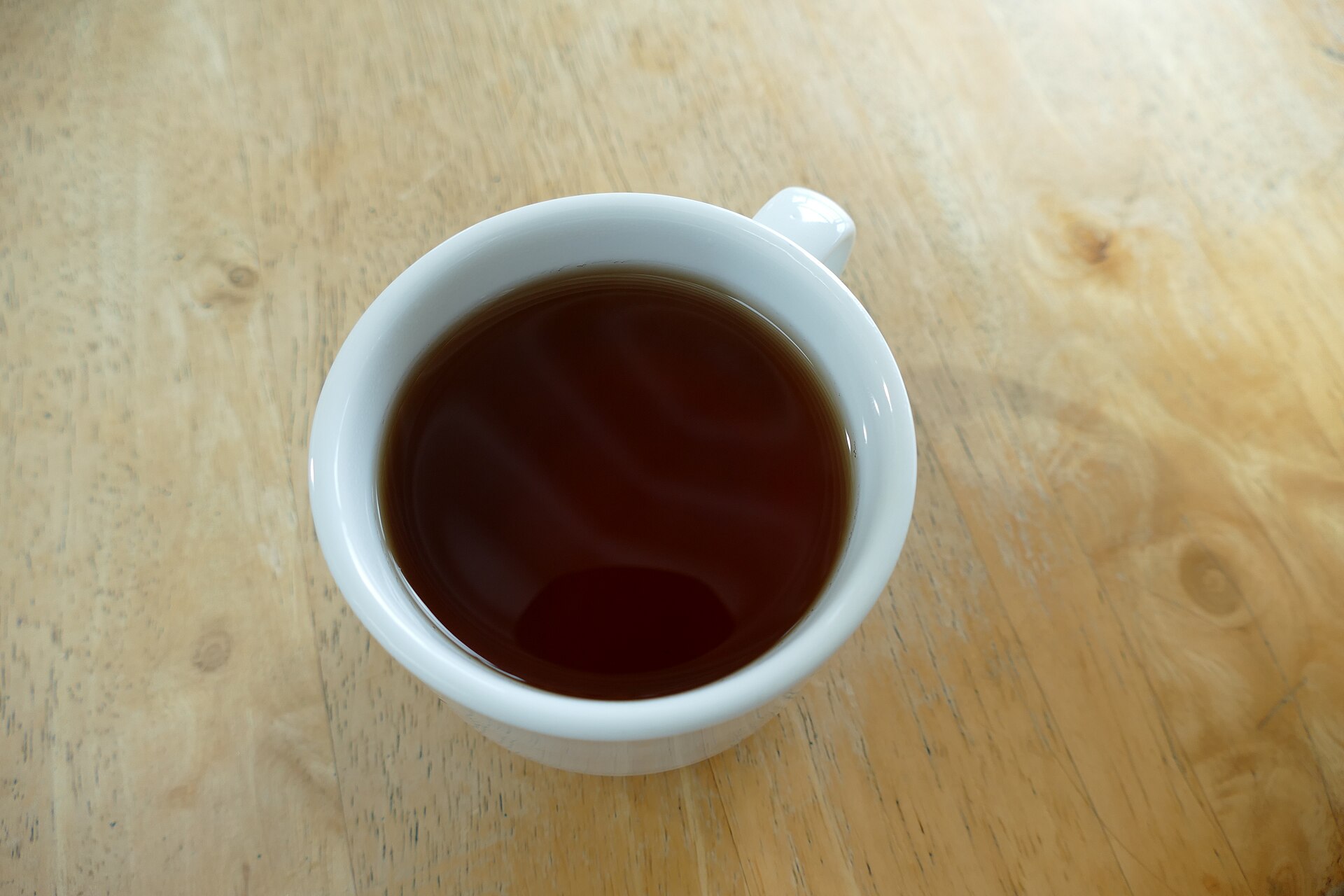
Tea can taste sour for several reasons. Sometimes the acidity is part of the tea's natural flavor. Other times, the taste comes from brewing conditions, changes during storage, or a problem with the tea itself.
The important clue is when the sourness appears and what it tastes like. A light, fruity tang is different from a sharp vinegar-like flavor or a sour taste that develops in tea you've kept for months.
Is Tea Supposed to Taste Sour?
A little acidity is normal in tea. Depending on the variety and how it was made, a cup may have a bright, citrus-like note or a tart fruit flavor.
Some fermented teas also have distinctive flavor profiles that differ from fresh green or black tea. However, tea should not automatically taste sour just because it is aged or fermented.
Pay attention to the character of the flavor:
- Light and fruity: May be a normal characteristic of the tea.
- Sharp and unpleasant: Could be related to brewing, processing, or storage.
- Vinegar-like or similar to spoiled food: A reason to stop drinking it, particularly if the tea was stored wet or left at room temperature for a long time.
- A sour aftertaste that wasn't there before: Worth investigating, especially if the tea has been stored for months or years.
Flavor alone cannot confirm whether tea is safe to drink. Use its storage history and any visible signs of deterioration as well.
Why Does My Tea Taste Sour All of a Sudden?
If a tea you previously enjoyed now tastes sour, start by checking what has changed.
1. The tea has changed during storage
Tea is sensitive to moisture, air, heat, and surrounding odors. Poor storage can gradually alter its aroma and taste.
This can be particularly frustrating with expensive loose-leaf tea or aged tea cakes. In tea-drinking communities, people sometimes report that a tea that once tasted clean develops an unpleasant sour note after extended storage.
Check whether the package was left open, stored in a humid cupboard, or exposed to temperature changes. Also look for unusual odors or visible mold.
A change in flavor does not prove that tea has spoiled, but a persistent new sourness is a reason to inspect it rather than assume aging has improved it.
2. Your brewing method has changed
Water temperature, steeping time, and the amount of leaf all affect the final cup.
If you use more tea than usual or steep the leaves much longer, the balance of flavors can change. The result may taste harsh, dry, bitter, or unpleasantly sharp. These sensations are not the same as true sourness, so notice whether your mouth feels dry or whether the liquid itself tastes acidic.
Try brewing a fresh portion using the same amount of tea and water you normally use. Follow the instructions for that particular tea rather than applying one temperature and steeping time to every variety.
If the flavor improves, the problem may be your brewing method rather than the leaves.
3. The tea itself has an unusual flavor
Tea flavor depends on the cultivar, growing conditions, processing, and storage. Some teas naturally have more noticeable acidity, while others develop different flavor characteristics during fermentation or aging.
This is one reason a tea can taste different from what you expect without necessarily being defective.
If the sour note appears only in one tea, compare it with another batch or a different tea variety. If several teas suddenly taste sour, check your water, kettle, cup, and taste perception before blaming every tea.
4. Your water or teaware may be affecting the taste
Water quality can change how tea tastes. Mineral content, unusual odors, and residue inside a kettle or thermos may affect the cup.
Try using fresh drinking water and a clean cup. If you usually brew tea in a travel mug or insulated bottle, wash it thoroughly and check the lid and seals for lingering odors.
You can also brew the same leaves in a different vessel. If the sour flavor disappears, your equipment or water may be contributing to it.
Why Does Green Tea or Oolong Taste Sour?
The type of tea can help narrow down the possibilities, but it does not provide a definitive diagnosis.
Green tea: Fresh green tea often tastes grassy, vegetal, sweet, or slightly astringent. An unexpected sour flavor may warrant checking freshness, water, and brewing conditions.
Oolong tea: Oolong varies widely, from floral and creamy to roasted and mineral. A mild fruity tang may fit a particular tea, while an unpleasant sour aftertaste that appears unexpectedly deserves closer inspection.
Black tea: Black tea can have brisk, fruity, or malty notes. A sharp, vinegar-like taste is different from ordinary briskness and should not be dismissed as a normal feature.
Pu-erh and other fermented teas: Earthy or woody flavors can be normal, but fermentation does not mean every sour or musty flavor is desirable. Storage conditions and the character of the smell matter.
How to Tell Whether Sour Tea Is a Brewing Problem
Use this simple check before changing several things at once.
- Brew a fresh cup. Use clean equipment and fresh drinking water.
- Follow the tea's usual brewing instructions. Avoid unusually long steeping times or excessive leaf.
- Compare the aroma and taste. Notice whether the sourness is mild and fruity or sharp and unpleasant.
- Check the dry leaves. Look for dampness, unusual clumping, or visible mold.
- Consider the storage history. Tea kept in a humid or wet environment deserves more caution than tea stored dry in a sealed container.
If the tea has visible mold, a strong musty odor, or signs of damp deterioration, do not try to make it drinkable by boiling it, rinsing it, or steeping it longer. Discard it.
Can You Drink Tea That Tastes Sour?
It depends on why it tastes sour, and taste alone cannot establish safety.
A tea with a naturally tart flavor is different from tea that has developed an unexpected sour taste after being stored improperly. If the leaves are dry, smell normal, and have been stored correctly, the flavor may simply reflect the tea's characteristics or your brewing method.
If the sourness is new and unpleasant, especially when accompanied by a musty smell, visible growth, damp leaves, or questionable storage conditions, it is safer to discard the tea.
Do not keep tasting a suspicious batch to determine whether it is spoiled. If you are uncertain about its condition, choose a fresh batch instead.
Final Words
If your tea tastes sour, first work out whether the flavor is natural, caused by brewing, or has developed during storage. Try a fresh brew with clean equipment, then check the leaves and how they have been kept.
A mild tart note is not automatically a problem. A new, unpleasant sour taste combined with dampness, mold, or a musty odor is a different situation: stop drinking it and discard the suspect tea.
For related questions, see Why Does My Tea Smell Fishy?