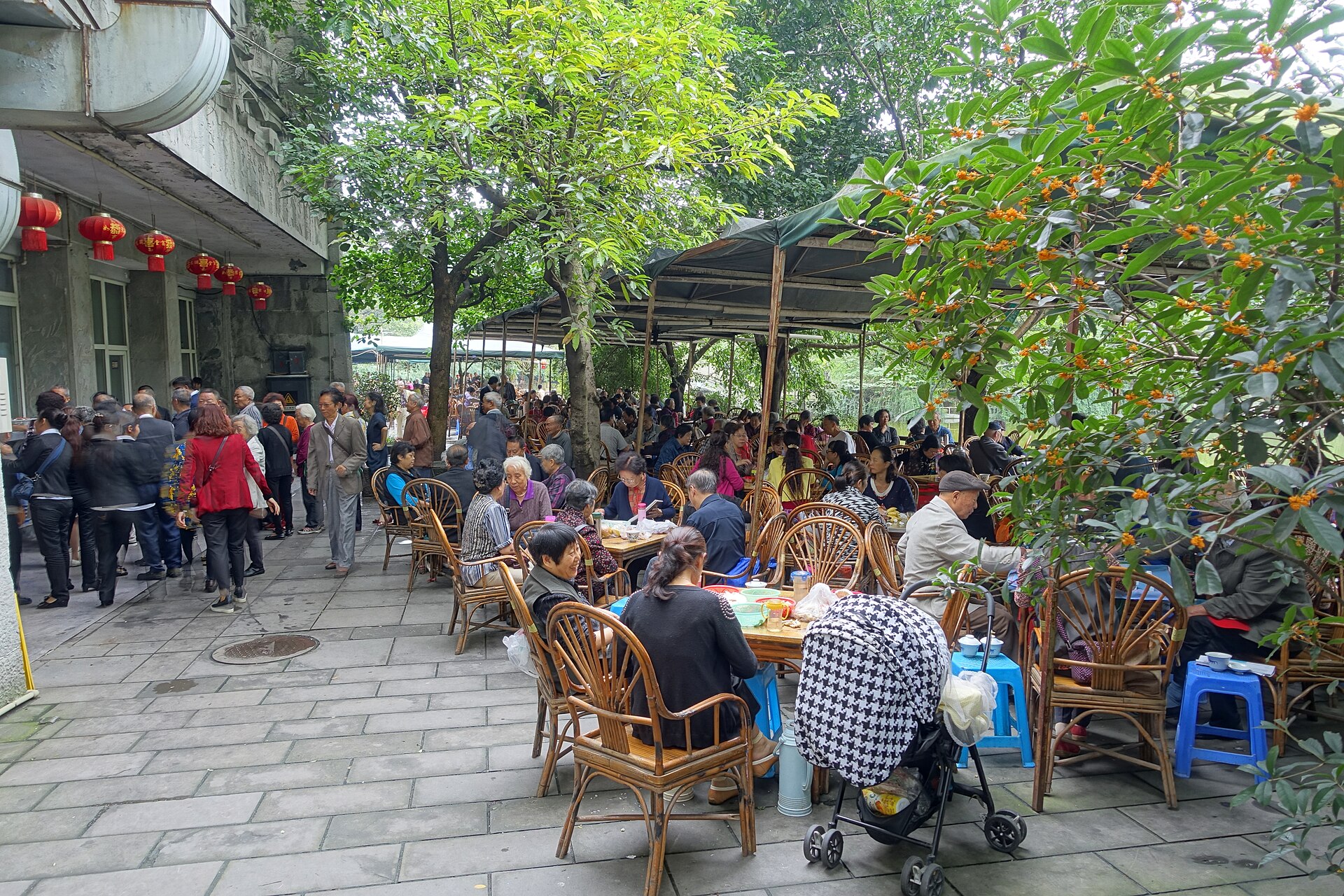
Tea culture in China is not limited to formal tea ceremonies or beautifully arranged tea sets. In some cities, people spend hours in neighborhood teahouses, chatting with friends over a pot of tea. In others, tea is closely connected to mountain landscapes, traditional farming, regional food, and centuries-old production methods.
If you are planning a trip to China and want to experience tea beyond drinking a cup in a hotel, the best destination depends on what interests you. You might want to watch tea being prepared, visit a working tea-growing area, learn how different teas taste, or simply sit somewhere locals gather for their daily tea.
Here are 10 places worth considering, each offering a different way to understand Chinese tea culture.
| Place | Tea Culture Experience | Best For |
|---|---|---|
| Hangzhou, Zhejiang | Longjing green tea villages and tea tastings | First-time visitors and green tea lovers |
| Chengdu, Sichuan | Traditional teahouses and local social life | Travelers who want an everyday local experience |
| Wuyishan, Fujian | Wuyi rock oolong tea and mountain tea landscapes | Oolong tea enthusiasts |
| Guangzhou, Guangdong | Yum cha, dim sum, and Cantonese tea traditions | Food lovers and cultural travelers |
| Suzhou, Jiangsu | Tea in classical garden settings and Biluochun green tea | Garden lovers and slow travelers |
| Anxi, Fujian | Tieguanyin oolong tea and tea production | Travelers interested in how tea is made |
| Huangshan, Anhui | Huangshan Maofeng green tea and mountain scenery | Nature lovers and green tea drinkers |
| Mount Emei, Sichuan | Mountain scenery and regional tea traditions | Travelers combining nature and culture |
| Kunming, Yunnan | Pu'er tea tastings and tea markets | Pu'er enthusiasts and curious beginners |
| Beijing | Tea experiences combined with traditional arts and performances | Visitors looking for a structured cultural activity |
Planning tip: If this is your first trip focused on Chinese tea culture, consider Hangzhou for tea-growing traditions and Chengdu for everyday teahouse life. If you are particularly interested in tea production, add a visit to Wuyishan or Anxi.
Hangzhou, Zhejiang: Experience Longjing Green Tea
Hangzhou is one of the best starting points for travelers interested in Chinese green tea. The city is closely associated with Longjing, also known as Dragon Well tea, a pan-fired green tea valued for its fresh aroma and gentle, nutty character.
The hills around West Lake contain well-known tea-growing villages, including Longjing Village and Meijiawu. Visiting these areas gives you a chance to see tea plants growing across the hills, explore village tea houses, and learn how fresh leaves are processed.
The China National Tea Museum is another worthwhile stop. Its exhibitions cover tea history, production, utensils, and cultural traditions, making it useful for visitors who want context before tasting different teas.
What to experience: Visit a tea village, join a guided tasting, and learn how Longjing leaves are pan-fired.
Best for: First-time visitors, green tea lovers, and travelers who enjoy combining cultural activities with scenic walks.
When to go: Spring is particularly interesting because of the new tea harvest, although the exact picking period varies with weather and growing conditions.
Chengdu, Sichuan: Spend an Afternoon in a Traditional Teahouse
In Chengdu, tea culture is often part of ordinary daily life rather than a formal event. Traditional teahouses are places to relax, talk, play mahjong, read, or watch the world go by.
People's Park is a convenient place to experience this atmosphere. Heming Teahouse, located inside the park, is known for its traditional seating and relaxed setting. Instead of attending a scheduled ceremony, you can order tea, settle into a chair, and observe how local people use the space.
You may see tea served in a gaiwan, a lidded bowl used for brewing and drinking tea. Staff may add hot water when needed, depending on the tea and service arrangement.
The experience is less about memorizing a set of rituals and more about understanding tea as a social habit.
What to experience: Order tea at a traditional teahouse and spend time observing the everyday rhythm of the city.
Best for: Travelers who want a relaxed, local experience rather than a formal demonstration.
When to go: A weekday morning or afternoon can be a good choice if you prefer a quieter visit. Popular teahouses may still be busy.
Wuyishan, Fujian: Discover the World of Rock Oolong Tea
The Wuyi Mountains in Fujian are famous for Wuyi rock tea, a category of oolong tea traditionally associated with the region's rocky terrain and distinctive growing environment.
This destination offers a different perspective from Hangzhou. Rather than focusing primarily on green tea, you can explore the aromas, roasting styles, and brewing methods associated with oolong tea.
A guided tasting can help you compare several teas side by side. You may notice differences in roasted, floral, fruity, or mineral-like notes, depending on the tea and how it has been processed.
The surrounding mountain scenery also makes the area appealing to travelers who want to combine tea appreciation with hiking and nature.
What to experience: Visit a tea producer or tea house, taste different Wuyi oolongs, and learn about roasting and repeated short infusions.
Best for: Oolong enthusiasts, curious beginners, and travelers who want to connect tea with its growing region.
When to go: Spring can offer opportunities to learn about the harvest, while other seasons are suitable for tastings and exploring the landscape. Confirm whether a producer offers visits before making a special trip.
Guangzhou, Guangdong: Experience Tea Through Yum Cha
In Guangzhou, tea is closely connected with yum cha, the Cantonese tradition of enjoying tea alongside dim sum.
A traditional yum cha meal is a social occasion. Families and friends gather around a table, order small dishes, pour tea for one another, and spend time talking over the meal.
Common tea choices include pu'er, oolong, and chrysanthemum tea, although menus vary by restaurant. The experience is different from a dedicated tea ceremony because food, conversation, and shared dining are central to the occasion.
For travelers, this is an accessible way to discover how tea fits into regional food culture.
What to experience: Visit a Cantonese teahouse or dim sum restaurant in the morning, order a pot of tea, and try several small dishes.
Best for: Food lovers, families, and anyone interested in tea as part of everyday social life.
When to go: Morning is a traditional time for yum cha, although many restaurants serve dim sum later in the day too.
Suzhou, Jiangsu: Enjoy Tea in a Garden Setting
Suzhou is known for its classical gardens, canals, and refined local culture. Tea fits naturally into this environment, where a quiet tea break can become part of a visit to a garden or historic neighborhood.
The region is also associated with Biluochun, a well-known green tea grown around Dongting Mountain near Lake Tai.
A tea house in Suzhou can offer a slower experience than a busy tourist attraction. You might sit in a courtyard, enjoy a pot of tea, and appreciate the relationship between architecture, landscape, and traditional hospitality.
If you are interested in the tea itself, ask whether the venue serves locally sourced Biluochun and whether staff can explain its origin and processing.
What to experience: Combine a garden visit with a tea break, or explore the tea-growing area around Dongting Mountain.
Best for: Travelers who enjoy gardens, traditional architecture, and quieter cultural experiences.
When to go: Spring is appealing for fresh green tea, while other seasons can be equally enjoyable for garden visits and indoor tea drinking.
Anxi, Fujian: Learn About Tieguanyin Oolong
Anxi is closely associated with Tieguanyin, one of China's best-known oolong teas. For travelers who want to understand how a regional tea develops its character, visiting a tea-producing area can be more informative than tasting finished products in a city shop.
A guided visit may introduce you to tea gardens, processing methods, and the differences between various Tieguanyin styles. Depending on the season and producer, you might see parts of the production process or mainly learn through explanation and tasting.
Do not assume every farm offers unrestricted access or hands-on activities. Ask in advance what the visit includes and whether English-language explanations are available.
What to experience: Arrange a tea-farm visit or tasting with a local producer, and compare Tieguanyin with other oolong teas.
Best for: Travelers interested in tea production, regional varieties, and learning directly from growers or tea makers.
When to go: Harvest and processing schedules vary, so confirm seasonal activities with the host before planning around them.
Huangshan, Anhui: Connect Tea With Mountain Landscapes
Huangshan is famous for its dramatic mountain scenery and is also part of Anhui's rich tea-growing tradition. Huangshan Maofeng, a green tea associated with the area, is a useful starting point for learning about the region's tea.
A visit here can combine mountain sightseeing with a tasting or a trip to a nearby tea-growing area. This makes Huangshan a good option for travelers who do not want their entire trip to revolve around tea but would still like to understand its place in local life.
If you have time, look for a producer or tea house that explains where its tea comes from and how the leaves are processed.
What to experience: Taste Huangshan Maofeng and, if practical, visit a local tea-growing area outside the main scenic attractions.
Best for: Nature lovers who also want a regional food and drink experience.
When to go: Spring is particularly relevant for green tea, but mountain weather and access conditions should also influence your travel plans.
Mount Emei, Sichuan: Explore Tea in a Mountain Setting
Mount Emei is known for its Buddhist heritage, mountain scenery, and regional tea traditions. The wider Sichuan area produces several notable teas, including Mengding tea from the Ya'an region.
A visit to Mount Emei can introduce you to the connection between tea, mountain environments, and traditional ways of life. Depending on your itinerary, you can combine temple visits and hiking with tea tasting or a stop at a local tea shop.
It is worth distinguishing the broader Sichuan tea tradition from the specific tea-producing areas. Mount Emei and Mount Mengding are different destinations, so check the location of any farm or tea experience before booking.
What to experience: Try a local Sichuan green tea and look for a guided tasting that explains the region's tea varieties.
Best for: Travelers interested in mountains, cultural heritage, and regional tea beyond the most familiar varieties.
When to go: Choose your dates around your hiking plans and the seasonal activities offered by local tea producers.
Kunming, Yunnan: Explore Pu'er Tea Culture
Yunnan is especially important to the world of Pu'er tea. The province has diverse tea-growing areas and a long history of tea production and trade.
Kunming makes a practical starting point for travelers who want an introduction to Yunnan tea before visiting other parts of the province. Tea shops and specialist markets can provide opportunities to compare different products, ask questions, and learn why origin, processing, storage, and age matter when discussing Pu'er.
However, a market visit is not the same as visiting a tea plantation. If you want to see tea trees, learn about local production, or meet growers, you may need to travel farther from the city.
What to experience: Join a guided Pu'er tasting, compare teas from different origins, and ask how raw and ripe Pu'er differ.
Best for: Travelers curious about fermented and aged teas, tea collecting, and the relationship between tea and trade.
When to go: Tastings are possible throughout the year. For plantation visits, confirm the location, season, and activities separately.
Beijing: Experience Tea With Traditional Arts and Performance
Beijing offers a different kind of tea experience. Some traditional teahouses combine tea service with performances, storytelling, or other elements of Chinese folk culture.
A venue such as Lao She Teahouse is known for presenting traditional arts alongside tea and refreshments. This format can introduce visitors to several aspects of Chinese culture in one evening, although it differs from sitting in a neighborhood teahouse where locals come mainly to relax.
If you prefer to learn about tea itself, look for a dedicated tasting or tea workshop rather than assuming every performance venue provides detailed instruction about tea varieties and brewing.
What to experience: Attend a tea-and-performance program or book a separate tea tasting with an instructor.
Best for: Visitors with limited time who want a structured cultural evening.
When to go: Evening performances may operate on set schedules. Check the current program, ticket details, and language arrangements before visiting.
Which Chinese Tea Culture Experience Should You Choose?
You do not need to visit all ten places to understand Chinese tea culture. Choosing one or two destinations that match your interests can be more rewarding than rushing between several tea-themed attractions.
| If you want to… | Consider visiting |
|---|---|
| Learn about famous Chinese green tea | Hangzhou |
| Experience everyday teahouse life | Chengdu |
| Explore rock oolong and tea landscapes | Wuyishan |
| Combine tea with a traditional meal | Guangzhou |
| Enjoy tea in gardens and historic surroundings | Suzhou |
| Learn about Tieguanyin production | Anxi |
| Combine mountain scenery with tea | Huangshan or Mount Emei |
| Explore Pu'er tea | Kunming and other parts of Yunnan |
| See traditional arts alongside tea | Beijing |
For a first trip, Hangzhou and Chengdu make a particularly useful contrast. Hangzhou helps explain tea as an agricultural product and a carefully prepared drink, while Chengdu shows how tea can become part of everyday social life.
If you have more time and a strong interest in tea, consider adding a tea-producing region such as Wuyishan or Anxi. These places can help you understand why teas from different regions have distinct aromas, processing traditions, and reputations.
How to Make Your Tea Culture Experience More Meaningful
A good tea experience does not have to be expensive or highly formal. A neighborhood teahouse, a conversation with a knowledgeable tea seller, or a guided tasting can teach you a great deal if you know what to look for.
Before booking a tea activity, consider these practical points:
- Ask what is included. A tea tasting, a farm visit, and a full tea ceremony are different experiences. Check whether the price covers tea, instruction, transportation, or additional activities.
- Check the language. If you want to understand the brewing process or ask detailed questions, confirm whether the host can explain it in English.
- Look beyond the setting. Traditional furniture and beautiful tea ware can create atmosphere, but they do not necessarily indicate the quality of the tea or the depth of the instruction.
- Visit during the right season. If you want to see fresh tea leaves being picked or processed, contact the producer before traveling. Harvest timing varies by region and weather.
- Ask about the tea's origin. A knowledgeable host should be able to explain what tea you are drinking and, where possible, where it was grown and how it was processed.
- Leave room for ordinary experiences. Not every memorable tea moment needs to be a scheduled event. Sitting in a local teahouse and watching daily life can be just as revealing as a formal demonstration.
One final point: Chinese tea culture is not a single ritual practiced identically across the country. Tea can be a carefully prepared drink, a social habit, an agricultural tradition, a regional specialty, or part of a meal. The most rewarding experience is often the one that lets you see how these elements come together in a particular place.
Whether you choose a Longjing tea village in Hangzhou, a traditional teahouse in Chengdu, or an oolong-producing area in Fujian, approach the experience with curiosity. Ask questions, taste slowly, and pay attention to how local people enjoy their tea. That is often the best way to begin understanding Chinese tea culture.