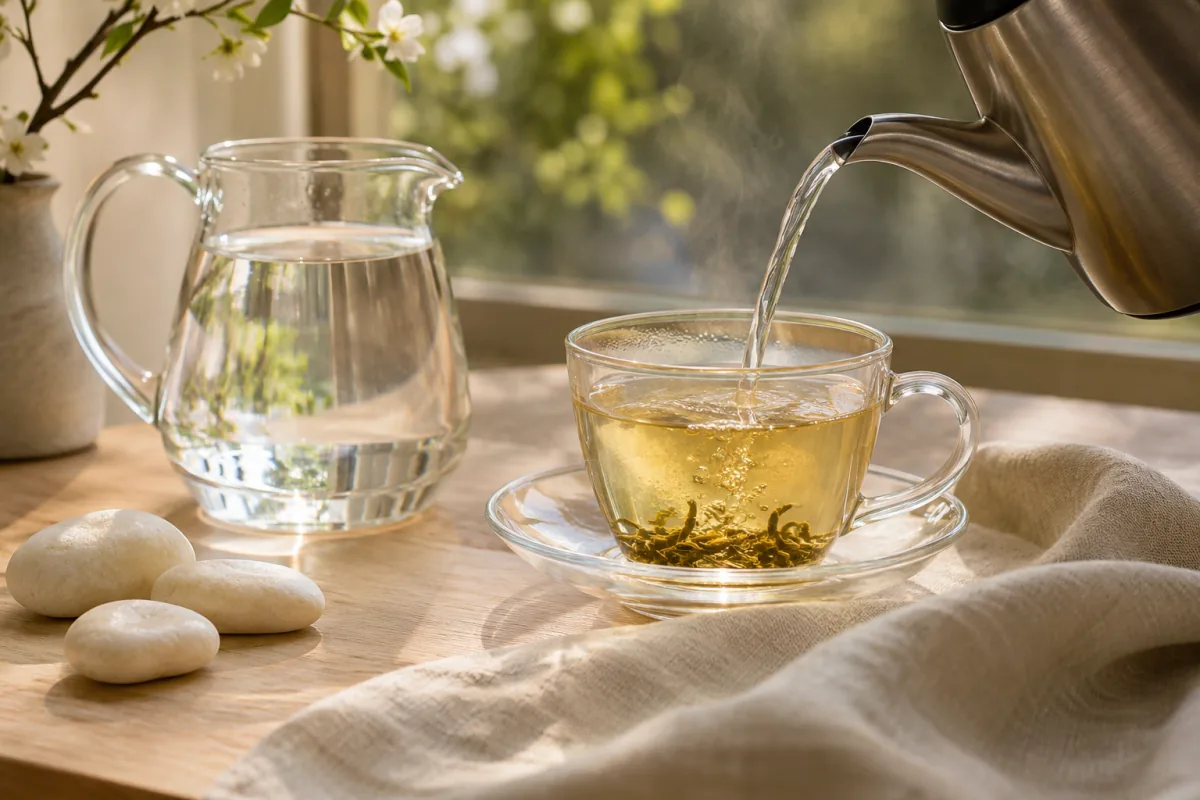
Have you ever made tea with bottled water and noticed that it tasted a little different from usual? Maybe the tea seemed smoother, or its aroma was easier to notice. Or perhaps you bought a bottle of spring water because you thought natural water would make a better cup of tea.
Spring water can be a good choice for brewing tea, but it isn't automatically better than purified water or the water from your kitchen tap. The minerals in the water can change how tea tastes, and different spring water brands can have quite different mineral levels.
If you're wondering whether it's worth buying spring water for your daily tea, here's what you should know.
Can You Use Spring Water to Make Tea?
Yes. Bottled spring water can be used to make tea, and many tea drinkers enjoy using it.
Spring water comes from an underground source and may naturally contain minerals such as calcium and magnesium. These minerals are one reason why different bottled waters can have slightly different tastes.
But don't assume that every bottle of spring water will give you the same result. Some have relatively low mineral content, while others contain much more.
For everyday tea drinking, the most important thing is how the water tastes and how it works with your tea. If the water has a strong mineral taste before you even boil it, that taste may also be noticeable in your finished tea.
You don't need to buy an expensive bottle just because the label says spring water. A clean-tasting, reasonably low-mineral drinking water may work just as well.
Does Spring Water Actually Make Tea Taste Better?
Sometimes, yes. But it depends on the water you're using and the tea you're making.
Imagine that you normally brew green tea with tap water. One day, you try the same tea leaves with bottled spring water. You notice that the tea smells a little different and seems easier to drink.
That difference can be real. Water affects how some of the flavor compounds in tea leaves dissolve during brewing.
Minerals such as calcium and magnesium can interact with tea compounds. Depending on their amounts and the overall water composition, they may change the tea's aroma, color, bitterness, and mouthfeel.
A study published in Food Chemistry in 2023 found that different brewing waters affected green tea's flavor and aroma. It also found that water with a neutral pH and lower mineral content was more suitable for the green tea tested.
However, this doesn't mean that the lowest-mineral water is always the best choice for every tea. The results depend on the tea and the water being compared.
The easiest way to find out is to try the same tea with two different waters. You may notice a difference, or you may find that your usual water tastes perfectly good.
Spring Water vs Purified Water for Tea
If you have both spring water and purified water at home, which one should you use?
Neither is automatically the winner. They simply have different characteristics.
Spring water
Bottled spring water naturally contains minerals, although the amount varies from one source to another. Some spring waters have a mild, pleasant taste and work nicely for tea.
The downside is that mineral levels can be quite different between brands. A bottle that works well for one tea may not give you the same result with another.
Purified water
Purified water has been treated to remove impurities and reduce mineral content. It usually has a more neutral taste and can be a convenient choice when you want a consistent starting point.
Some tea drinkers prefer it because it allows them to focus on the flavor of the tea rather than the taste of the water.
However, very low-mineral water isn't guaranteed to make every tea taste better either. Some people find that tea brewed with it tastes sharper or more bitter.
So which should you choose?
If your spring water tastes clean and your tea comes out nicely, there's no reason to change it. If you're not happy with the taste, try purified water before spending money on a more expensive spring water brand.
Why Does Spring Water Sometimes Make Tea Taste Worse?
This can be confusing. You buy what seems like good-quality natural water, brew your favorite tea, and somehow the result isn't as good as usual.
There are a few possible reasons.
The water contains too many minerals.
Some spring water has relatively high mineral content. Calcium and magnesium can interact with tea compounds and change how the finished drink tastes.
The water has its own noticeable flavor.
Have you ever tasted bottled water and noticed a slightly salty, chalky, or mineral-like aftertaste? If so, that taste may not disappear when you use it for tea.
The problem may not be the water alone.
A tea that tastes bitter could also be caused by water that's too hot, too many tea leaves, or leaving the leaves in the water for too long.
Before blaming your spring water, check how you're brewing the tea. Changing several things at once makes it difficult to know what caused the difference.
What Should You Look for When Buying Spring Water for Tea?
You don't need to become a water expert to choose something suitable for your tea.
A few things on the bottle can help.
Check the mineral information.
Look for calcium, magnesium, sodium, and total dissolved solids (TDS), if these are listed.
TDS is a measure of the total amount of dissolved substances in water. It gives you a general idea of its mineral content, but it doesn't tell you exactly which minerals are present.
Two bottles can have similar TDS readings but still taste different.
Pay attention to the water's taste.
This is probably the simplest test. Drink a little water before using it for tea.
If it tastes clean and mild, it's worth trying. If it has a strong salty, metallic, or chalky taste, it may not be your best choice for a delicate cup of tea.
Don't pay extra just for the label.
A more expensive bottle isn't necessarily better for brewing. The actual water composition matters more than the marketing on the packaging.
Do You Need to Buy Bottled Spring Water for Better Tea?
Not necessarily.
If your tap water tastes fine and doesn't leave an unpleasant smell or taste in your tea, you may already have a perfectly good option.
On the other hand, if your local tap water has a strong chlorine taste, noticeable mineral flavor, or other problems, trying bottled spring water or suitable filtered water may help.
You can also compare the water you already have at home. Use the same tea leaves, the same amount of water, and the same brewing time. That way, you'll have a better idea of whether changing the water actually makes a difference.
One important distinction: bottled spring water from a regulated supplier is not the same as collecting water directly from a mountain spring. Natural water collected outdoors may contain germs or chemical contaminants even when it looks clear. If you're interested in collecting your own spring water, read our guide to whether natural spring water is safe to drink and use for tea.
Common Questions About Spring Water and Tea
Can I use bottled spring water for green tea?
Yes. Bottled spring water can work well for green tea, especially if it has a mild taste and relatively low mineral content. If your green tea tastes too bitter or dull, try comparing it with purified water.
Is spring water better than tap water for tea?
It depends on your local tap water. If it tastes clean and has a suitable mineral balance, tap water may work just as well. If it has a strong chlorine or mineral taste, bottled spring water may be worth trying.
Does spring water need to be filtered before making tea?
Not usually if it's properly packaged drinking water from a reliable supplier and the bottle is in good condition. Follow the storage instructions on the label.
Can mineral water and spring water be used interchangeably?
Not always. Spring water and mineral water can have different mineral compositions and may be regulated differently depending on the country. Check the label rather than assuming they will produce the same tea flavor.
Does the type of water really matter that much?
It can. Research has shown that brewing water can change tea's flavor, aroma, and color. But you don't need to chase the perfect water for every cup. Start with water that tastes good on its own and see how your tea turns out.