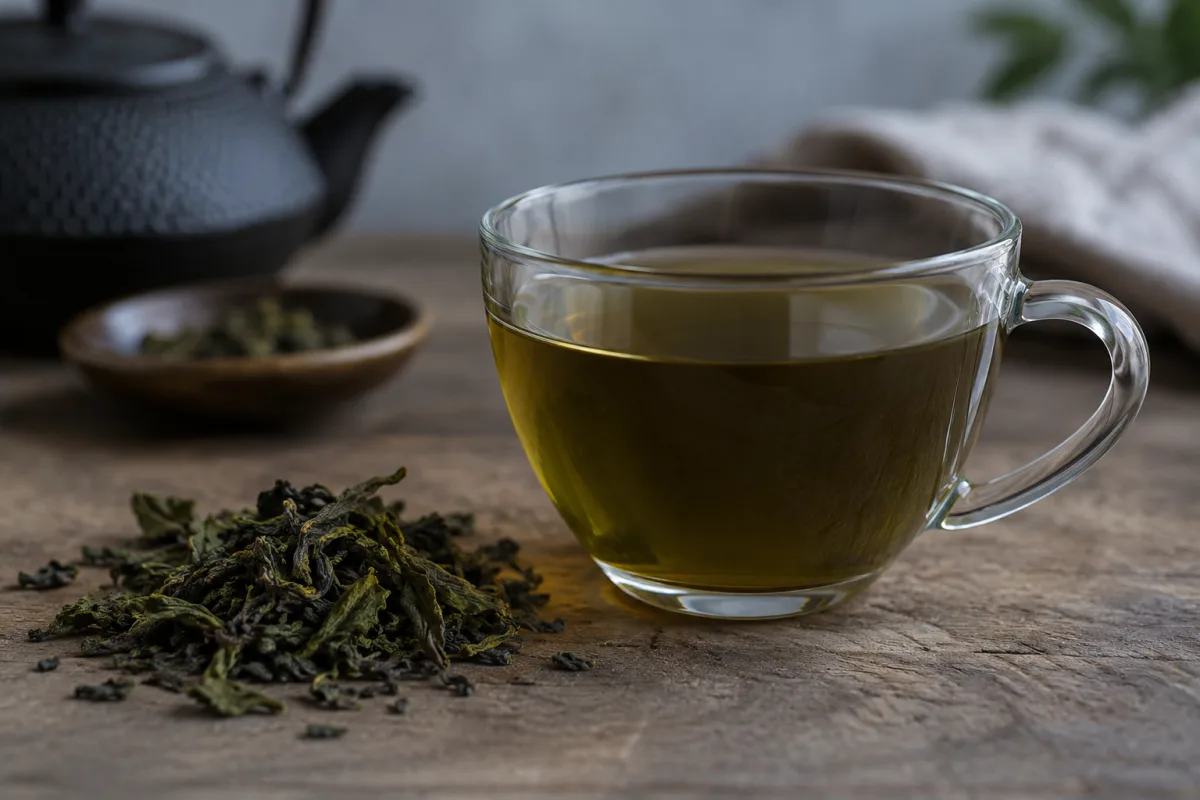
Green tea is often described as fresh, light, and slightly sweet. But if your cup tastes unpleasantly bitter or leaves your mouth feeling dry, you may wonder whether something went wrong.
The two sensations are related, but they are not exactly the same. Bitterness is a taste you notice on your tongue, while astringency is the dry, rough feeling that can develop inside your mouth.
Both are natural characteristics of green tea. However, when they become too strong, the brewing method, water temperature, tea quantity, or even the type of tea may be responsible.
Here is how to understand what is happening and make your next cup taste smoother.
Is Green Tea Bitter or Astringent? How to Tell the Difference
Before changing your brewing method, it helps to identify which sensation you are experiencing.
Bitterness is a basic taste. You may notice it at the back of your tongue or throughout your mouth. It can taste sharp, strong, or unpleasant, especially when the tea is over-extracted.
Astringency is different. Instead of tasting bitter, your mouth feels dry, rough, or slightly puckered. It can feel similar to the sensation you get after eating an unripe banana or drinking a very strong cup of black tea.
Green tea can have both sensations at the same time.
For example, a cup of over-steeped green tea may taste strongly bitter while also leaving your tongue and cheeks feeling dry.
A little bitterness or astringency is not necessarily a problem. Some green teas naturally have these characteristics, and experienced tea drinkers may appreciate a balanced amount.
Water That Is Too Hot Can Make Green Tea More Bitter
One of the most common reasons green tea tastes unpleasant is using boiling water.
Many green teas are delicate. When you pour very hot water over the leaves, certain bitter-tasting compounds, including catechins and caffeine, can be extracted more quickly.
The result may be a stronger, sharper cup than you expected.
For example, if you usually brew Japanese sencha with freshly boiled water, you may notice a more aggressive bitterness than when using cooler water.
What to do:
Try lowering the water temperature.
As a starting point:
- Japanese sencha: around 70–80°C (158–176°F).
- Chinese green tea: around 75–85°C (167–185°F).
- Delicate green tea buds: around 70–80°C (158–176°F).
These are starting ranges, not strict rules. Some green teas are designed to be brewed at higher temperatures, so follow the tea seller's instructions when available.
If your tea tastes too sharp, reduce the temperature by about 5°C and compare the result.
Steeping Green Tea for Too Long
Even when you use the correct water temperature, leaving green tea in water for too long can make it bitter and astringent.
As the leaves remain in hot water, more soluble compounds continue to enter the cup. This can make the flavor stronger and sometimes less balanced.
For instance, a delicate green tea that tastes fresh after two minutes may become noticeably harsher after five minutes.
How to adjust the steeping time:
- Start with 1–2 minutes for delicate green teas.
- Try 2–3 minutes if the flavor is too weak.
- Reduce the steeping time if the tea becomes noticeably bitter or drying.
The ideal time depends on the leaf style, water temperature, and amount of tea used.
If you are using a teapot with loose leaves, remove the leaves or pour out the tea when the infusion is ready. Leaving the leaves sitting in the water can lead to continued extraction.
Using Too Many Tea Leaves
Sometimes the problem is not the water or steeping time. You may simply be using too much tea.
A high ratio of tea leaves to water produces a more concentrated infusion. This can make both bitterness and astringency more noticeable.
For example, using two teaspoons of green tea in a small cup when the instructions recommend one may result in a much stronger flavor.
Try this adjustment:
Start with approximately 2 grams of loose-leaf green tea for every 150–200 ml of water.
If the tea still tastes too strong, reduce the leaf quantity slightly rather than adding sugar immediately.
Once you find a comfortable balance, you can adjust the amount to suit your preference.
Some Green Tea Varieties Naturally Taste More Bitter
Not all green teas have the same flavor profile.
Some varieties are naturally more delicate and sweet, while others have a stronger vegetal taste, noticeable bitterness, or a more pronounced astringent finish.
For example:
- Japanese Sencha: Often has fresh grassy, vegetal, and sometimes slightly bitter notes.
- Matcha: Can taste rich and vegetal, with bitterness depending on its quality and preparation.
- Longjing (Dragon Well): Often has a smooth, nutty character with gentle sweetness, although some batches can still be slightly bitter.
- Gunpowder Green Tea: Has a stronger, more robust flavor that may become quite sharp if over-brewed.
Harvest time and processing also matter. Younger leaves and growing conditions can influence the balance of catechins, amino acids, and other flavor compounds.
If you consistently find a particular green tea too bitter even after adjusting your brewing method, try a different variety rather than assuming all green tea tastes the same.
Old or Poorly Stored Green Tea Can Lose Its Fresh Flavor
Green tea is sensitive to air, heat, moisture, and light.
When tea leaves are stored poorly, their fresh aroma can fade. Oxidation and other storage changes may also affect their flavor.
You might notice that your tea no longer has its original fresh, grassy, or nutty character. Instead, it may taste flat, stale, or unpleasantly harsh.
Check your tea if:
- The leaves have been stored in an open container for months.
- The package has been exposed to direct sunlight.
- The tea has been kept near a stove or another heat source.
- The leaves have absorbed odors from spices, coffee, or other strongly scented foods.
Store green tea in a tightly sealed, opaque container in a cool, dry place. Keep it away from moisture and strong odors.
If the leaves smell musty, show signs of mold, or have become damp, do not drink them.
How to Make Green Tea Taste Smoother
If your green tea is consistently too bitter or astringent, you do not need to change everything at once.
Try these adjustments one by one:
| Problem | What to change |
|---|---|
| Strong, sharp bitterness | Lower the water temperature |
| Dry, rough mouthfeel | Shorten the steeping time |
| Tea tastes too concentrated | Use fewer leaves or more water |
| Flavor is flat and stale | Check the tea's age and storage |
| One variety always tastes too strong | Try a naturally milder green tea |
You can also experiment with cold brewing.
Cold-brew green tea is made by steeping leaves in cool or refrigerated water for several hours. The lower temperature changes the extraction process and often produces a gentler, less bitter cup.
It is a useful option if you enjoy green tea but dislike its sharpness when brewed hot.
Does Bitter Green Tea Mean It Is Bad Quality?
Not necessarily.
Some high-quality green teas naturally have a noticeable bitter or astringent character. What matters is whether these sensations are balanced with the tea's aroma, sweetness, and overall flavor.
For example, a good sencha may have a little bitterness followed by a fresh, sweet aftertaste. This is different from a cup that tastes harsh from the first sip and leaves your mouth uncomfortably dry.
You should also avoid judging quality by bitterness alone. Tea variety, harvest season, processing, storage, and brewing conditions all influence the final taste.
If you want to explore the sweeter side of tea, you can also learn about why tea sometimes tastes sweet after you swallow it. This lingering sweetness is often called hui gan or returning sweetness.
Final Thoughts
Green tea can taste bitter or astringent for several reasons, but brewing conditions are often the easiest place to start.
Try cooler water, shorter steeping times, and a smaller amount of tea leaves. If the flavor remains unpleasant, consider whether the tea variety or storage conditions are responsible.
The goal is not to remove every trace of bitterness. A well-balanced green tea can have some bitterness while still tasting fresh, smooth, and pleasant.