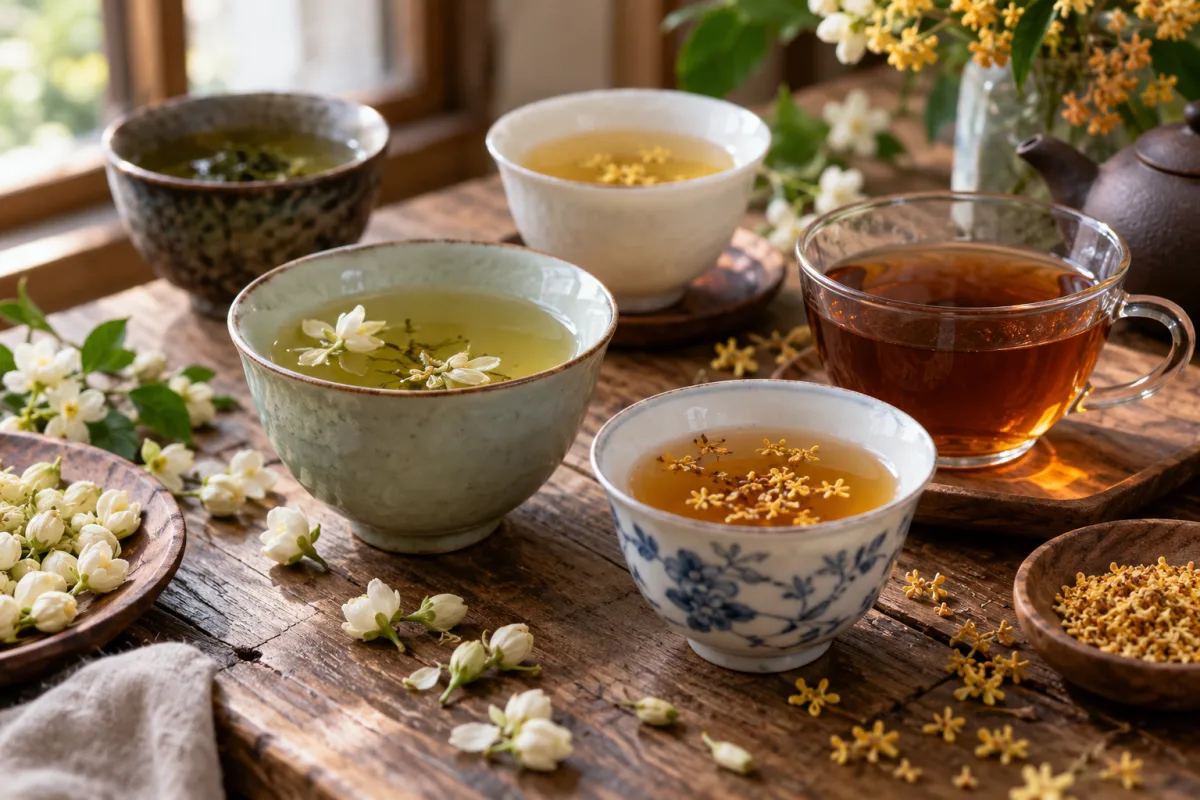
Some teas smell like fresh flowers when you open the package, while others release a gentle floral aroma as they brew. You may notice jasmine, orchid, gardenia, or even a light osmanthus scent.
Floral aromas are especially common in certain green teas and oolongs, but they can also appear in white tea and black tea. The smell and taste are not always the same, either. A tea may have a strong floral fragrance but taste light and slightly sweet rather than like flowers.
If you enjoy floral scents, here are seven teas worth trying, what their aromas are like, and which ones are easiest for beginners.
Jasmine Green Tea: A Fresh and Familiar Floral Aroma
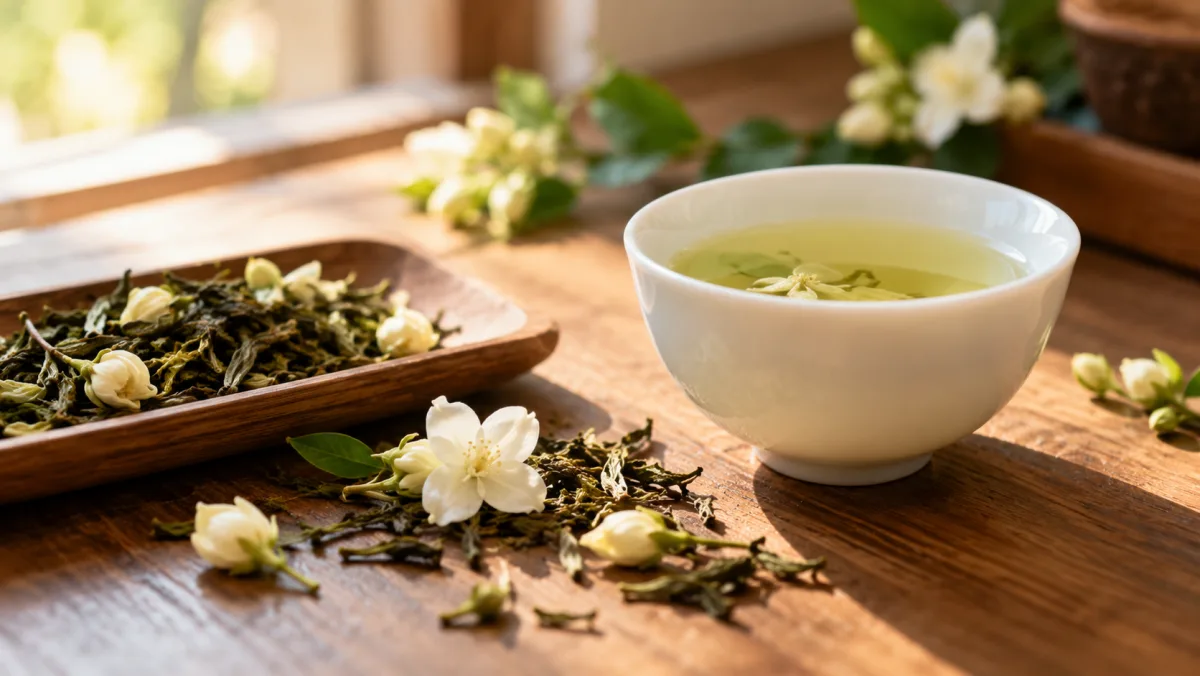
Jasmine green tea is one of the easiest floral teas to recognize. It is made by exposing tea leaves to fresh jasmine blossoms so the leaves absorb their fragrance.
Its aroma is usually soft, sweet, and noticeably floral. Some jasmine teas smell like freshly opened jasmine flowers, while others have a lighter scent with hints of fresh grass.
What does it taste like?
The floral smell is usually more noticeable than the flower-like taste. The tea itself often has a fresh, slightly grassy flavor with a gentle sweetness. Depending on the tea leaves and scenting process, it may also have a little bitterness.
- Floral aroma: Jasmine blossom
- Aroma strength: Medium to strong
- Taste: Fresh, lightly sweet, sometimes grassy
- Best for: People who enjoy a clear, recognizable flower scent
Should beginners try it?
Yes. Jasmine green tea is a good starting point because its fragrance is easy to identify. If you are new to floral tea, choose a naturally scented loose-leaf jasmine green tea rather than one with an overpowering perfume-like smell.
Osmanthus Oolong: A Sweet and Delicate Flower Fragrance
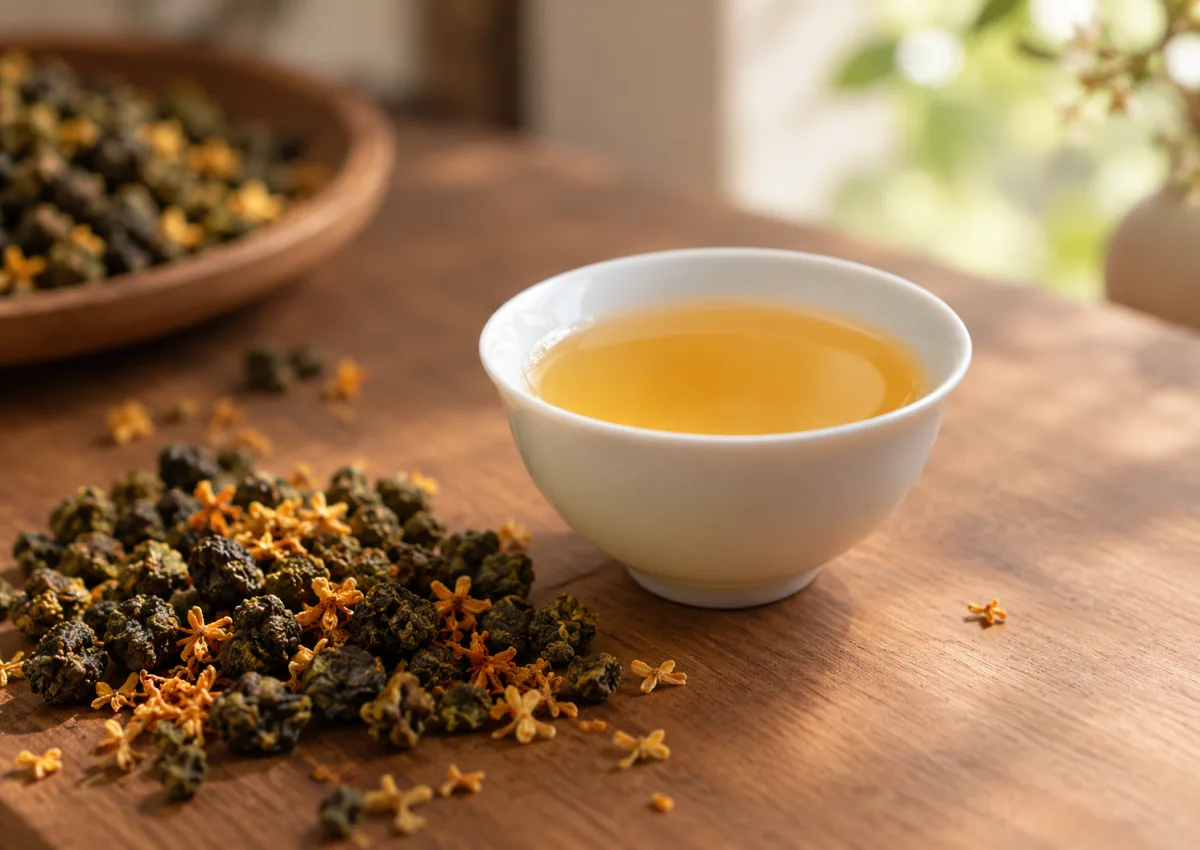
Osmanthus oolong is known for its gentle, sweet floral fragrance. Osmanthus flowers have a distinctive smell that some people compare to apricot, ripe peach, or sweet nectar.
This tea is commonly made by combining oolong tea leaves with dried osmanthus flowers. The result is a blend of floral and fruity aromas.
What does it taste like?
You may notice a soft sweetness and a mild fruity character. The oolong base can add a smooth body, while the osmanthus gives the tea a pleasant flower-like scent.
- Floral aroma: Osmanthus, with apricot-like notes
- Aroma strength: Medium
- Taste: Smooth, lightly sweet, sometimes fruity
- Best for: People who enjoy sweet, gentle floral aromas
Should beginners try it?
Yes. Osmanthus oolong is a good option if you find jasmine tea too strong or prefer a softer fragrance. It is also worth trying if you enjoy teas with both floral and fruity notes.
Tieguanyin: An Orchid-Like Floral Aroma
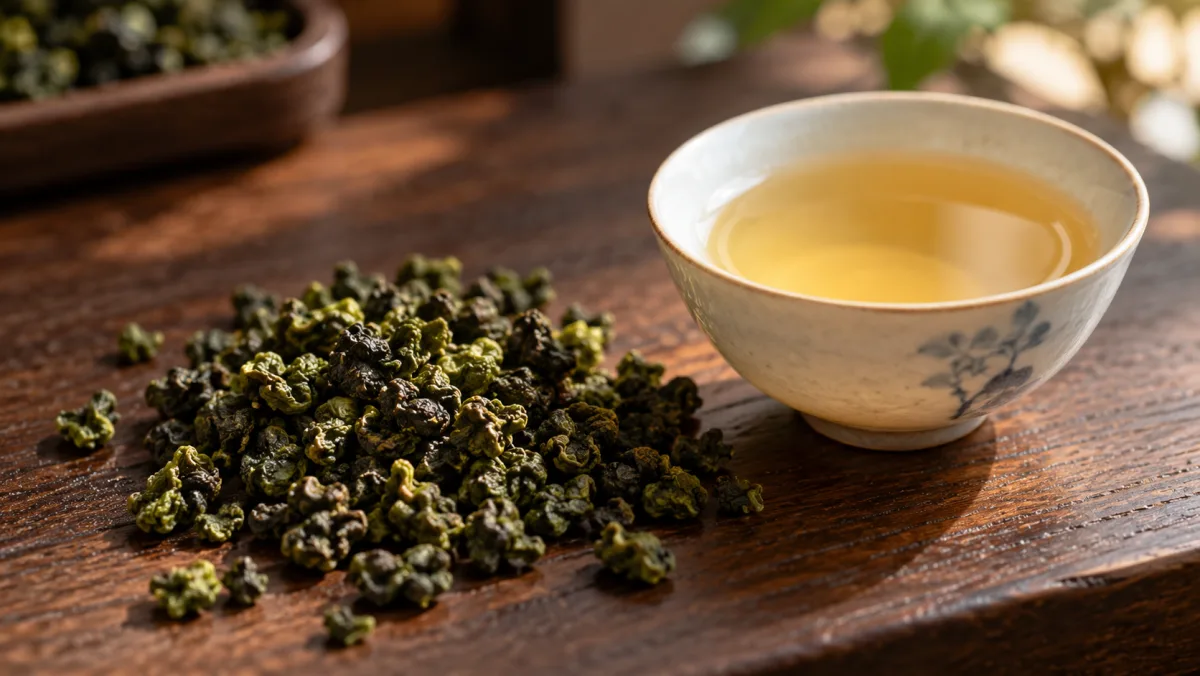
Tieguanyin, also called Iron Goddess of Mercy, is a well-known Chinese oolong tea from Anxi, Fujian.
Some lightly oxidized and lightly roasted Tieguanyin teas are particularly appreciated for their orchid-like fragrance. The aroma can be fresh, elegant, and slightly creamy.
Not every Tieguanyin tastes the same. More heavily roasted versions may have warmer, toasted notes instead of a prominent floral scent.
What does it taste like?
A lightly processed Tieguanyin often has a fresh, smooth taste with a gentle sweetness. You may notice a soft vegetal character and a lingering fragrance after swallowing.
- Floral aroma: Orchid-like
- Aroma strength: Medium to strong
- Taste: Fresh, smooth, lightly sweet, sometimes creamy
- Best for: People who enjoy clean, elegant floral aromas
Should beginners try it?
Yes, especially if you want to explore Chinese oolong tea. Start with a lightly oxidized Tieguanyin if floral fragrance is your priority. If you prefer roasted and nutty flavors, try a more traditionally roasted version instead.
Phoenix Dan Cong: Complex and Noticeable Floral Aromas
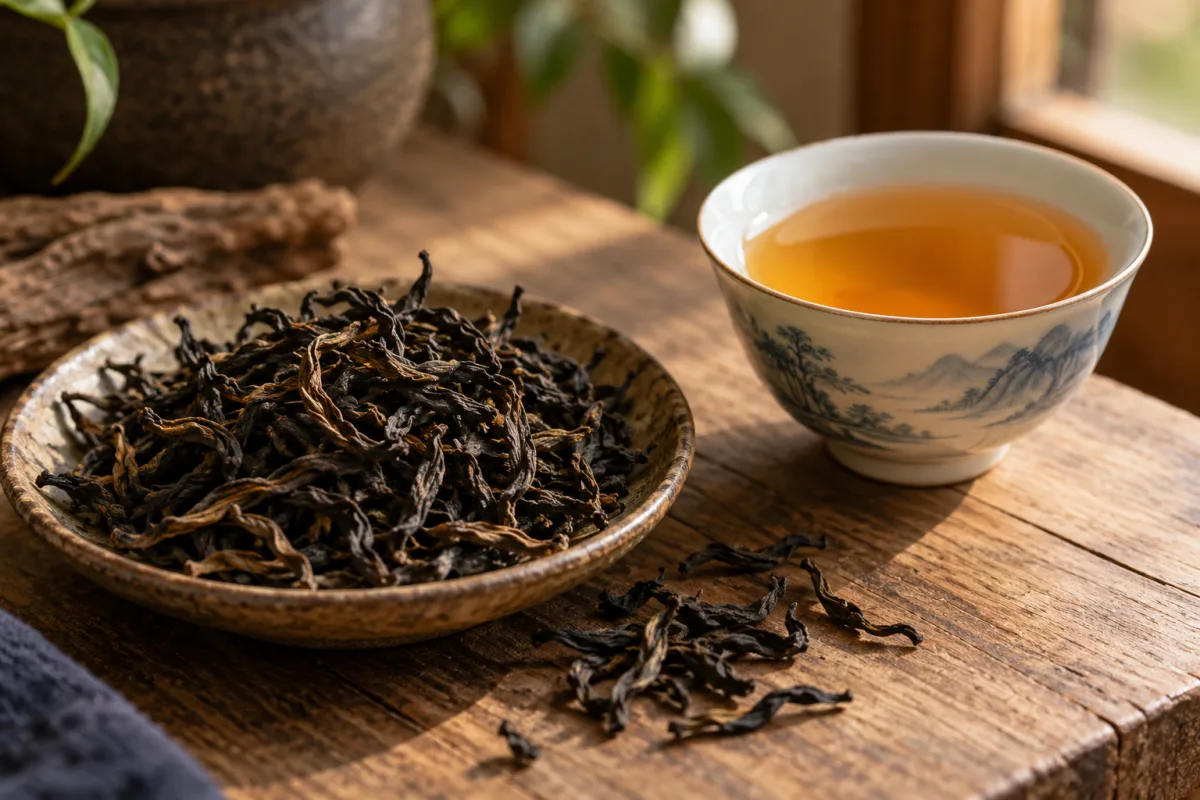
Phoenix Dan Cong is a Chinese oolong from the Phoenix Mountain area of Chaozhou, Guangdong.
It is particularly interesting for people who enjoy exploring different floral aromas. Certain Dan Cong varieties are traditionally named after the fragrances they are associated with.
For example, Ya Shi Xiang (Duck Shit Aroma) is often described as having gardenia-like or other complex floral notes. Despite its unusual name, it is valued for its distinctive fragrance.
Some other varieties have orchid-like or honeyed floral characteristics.
What does it taste like?
Phoenix Dan Cong can have a more layered flavor than many beginner-friendly floral teas. Depending on the variety and processing, you may notice sweetness, a fruity character, a floral aftertaste, or a slight astringency.
- Floral aroma: Gardenia-like, orchid-like, or other complex floral notes
- Aroma strength: Medium to very strong
- Taste: Fragrant, layered, sometimes fruity and slightly astringent
- Best for: People who want to explore more complex tea aromas
Should beginners try it?
You can, but start with a lighter and less heavily roasted Dan Cong. Its fragrance can be quite distinctive, and some varieties may taste more intense than expected. It is a good choice when you are ready to explore beyond jasmine and common oolong teas.
Taiwanese High Mountain Oolong: Light and Fresh Floral Notes
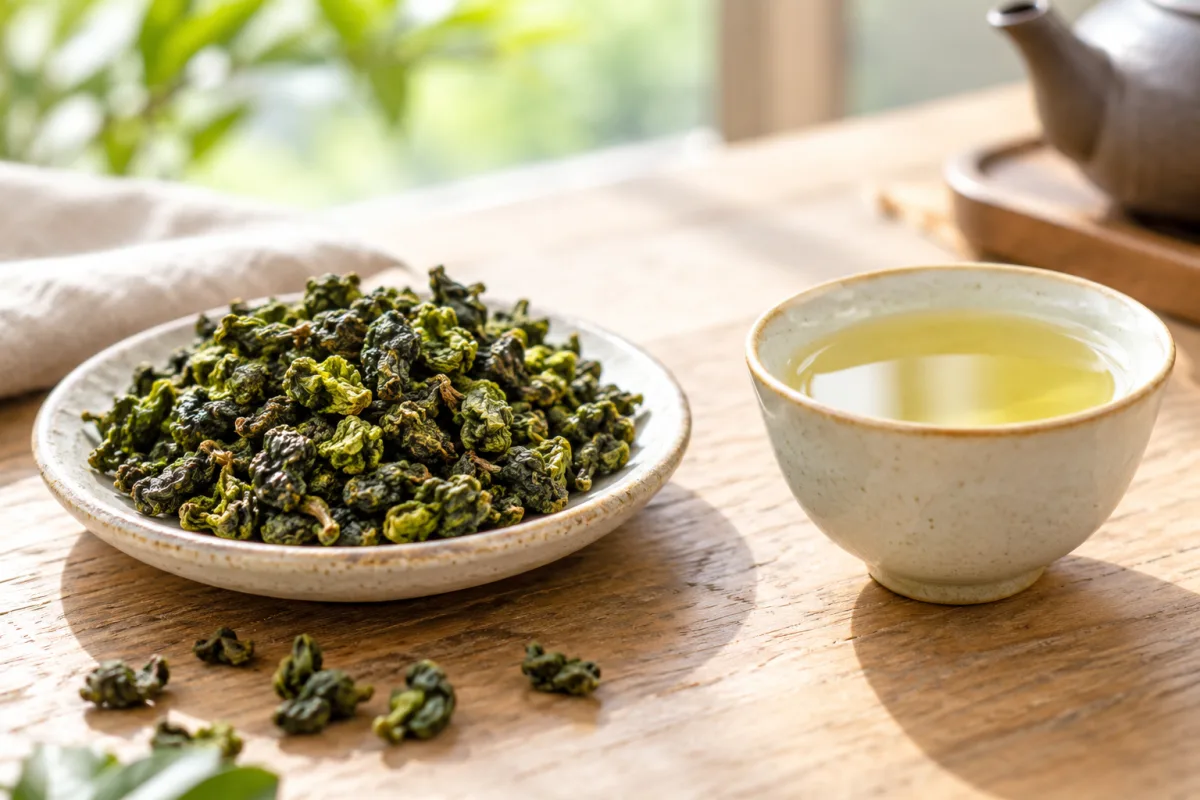
Taiwanese high mountain oolong is often associated with fresh, delicate floral aromas. Grown in mountainous areas, these teas are commonly lightly oxidized and processed to preserve their fresh character.
You may notice orchid-like, gardenia-like, or soft spring-flower aromas, depending on the growing area and processing.
The fragrance is usually more delicate than the bold scent of jasmine tea or some Phoenix Dan Cong varieties.
What does it taste like?
High mountain oolong is often smooth and clean, with a gentle sweetness. Some examples have a creamy texture, while others taste more refreshing and slightly vegetal.
- Floral aroma: Light orchid or fresh spring flowers
- Aroma strength: Light to medium
- Taste: Smooth, fresh, sweet, sometimes creamy
- Best for: People who prefer subtle floral flavors
Should beginners try it?
Yes. If you do not enjoy strong flower scents, this is a good direction to explore. Choose a lightly oxidized high mountain oolong and pay attention to its gentle aroma as it cools slightly.
White Peony Tea: A Soft, Natural Floral Fragrance
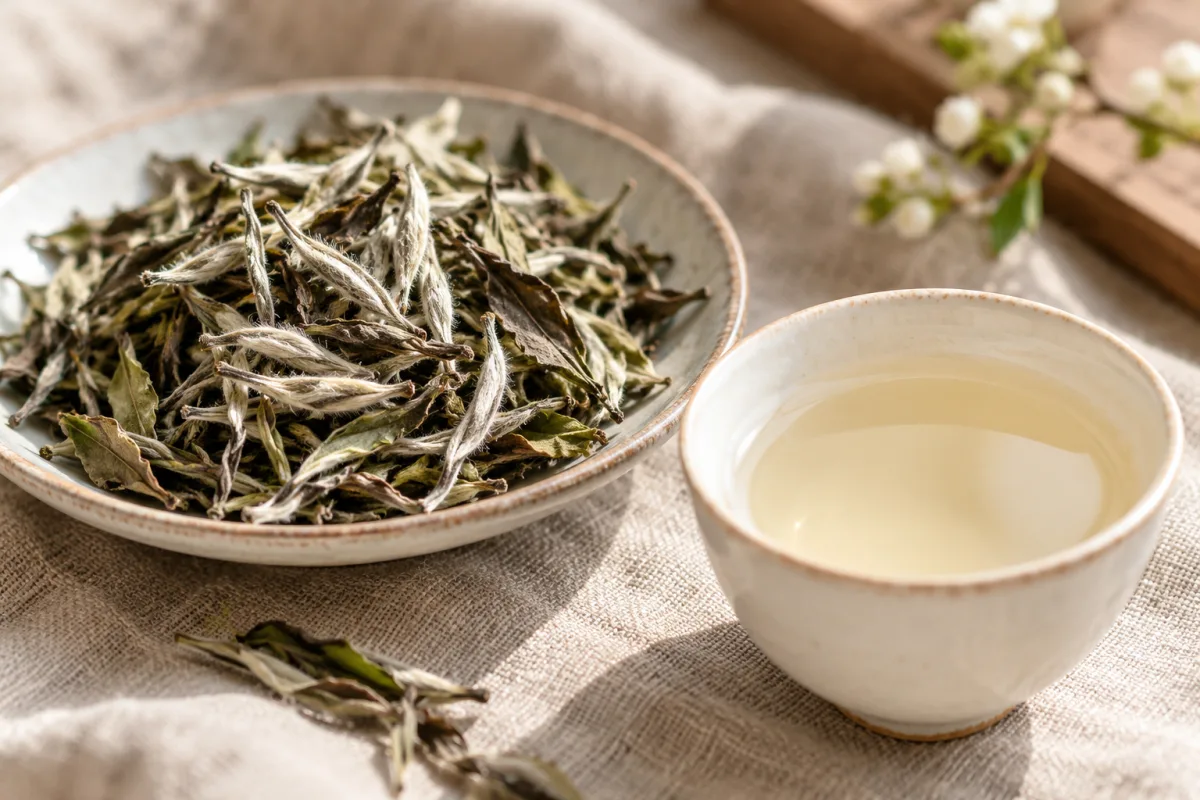
White Peony, known as Bai Mudan, is a Chinese white tea made from young tea buds and leaves.
Unlike jasmine or osmanthus tea, White Peony is not necessarily scented with flowers. Its floral character comes from the tea leaves themselves and the way they are processed.
Some White Peony teas have a delicate fragrance that reminds drinkers of fresh flowers, dried flowers, or spring vegetation.
What does it taste like?
The taste is usually light and mellow, with gentle sweetness and a soft vegetal character. Depending on the tea, you may also notice notes of hay, melon, or dried flowers.
- Floral aroma: Soft wildflower or dried-flower notes
- Aroma strength: Light
- Taste: Delicate, mellow, lightly sweet
- Best for: People who prefer subtle and natural tea aromas
Should beginners try it?
Yes. White Peony is a good choice if you want a mild tea without a strong floral perfume. It is also useful for learning to recognize the difference between a tea's natural aroma and the fragrance of flowers added during scenting.
First Flush Darjeeling: A Delicate Floral and Fresh Aroma
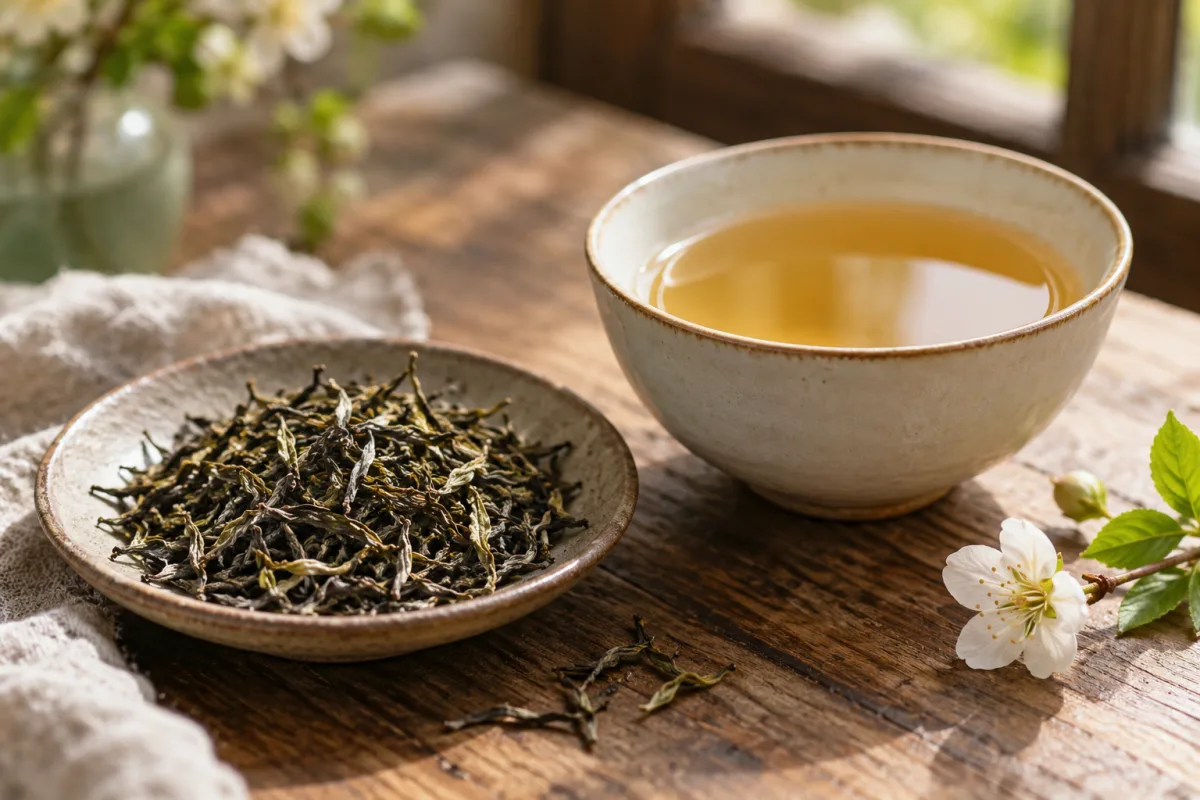
Darjeeling tea comes from the Darjeeling region of India. Its first flush refers to the early harvest of the season, usually in spring.
Some first flush Darjeeling teas have a light floral fragrance with fresh, green, and sometimes muscatel-like characteristics. Their aroma can be quite different from the rich, malty smell of many conventional black teas.
Not every first flush Darjeeling has a strong floral scent. The specific garden, harvest, and processing all make a difference.
What does it taste like?
It is generally light-bodied, with a brisk and fresh taste. Some examples have gentle sweetness, a slightly astringent finish, and delicate floral notes.
- Floral aroma: Light spring flowers
- Aroma strength: Light to medium
- Taste: Fresh, brisk, delicate, sometimes slightly astringent
- Best for: People who enjoy light black tea with a floral character
Should beginners try it?
Yes, particularly if you usually drink black tea but want to try something lighter and more aromatic. It offers a different experience from strong breakfast teas.
Which Floral Tea Should You Try First?
The best choice depends on how strong you want the floral aroma to be and what kind of taste you enjoy.
| Tea | Main floral character | Aroma strength | Good starting point for |
|---|---|---|---|
| Jasmine green tea | Jasmine blossoms | Medium to strong | Recognizable floral fragrance |
| Osmanthus oolong | Sweet osmanthus | Medium | Sweet and fruity notes |
| Tieguanyin | Orchid-like | Medium to strong | Fresh Chinese oolong |
| Phoenix Dan Cong | Gardenia and complex floral notes | Medium to very strong | Exploring complex aromas |
| High mountain oolong | Light orchid and spring flowers | Light to medium | Subtle floral flavors |
| White Peony | Wildflower and dried flowers | Light | Gentle, natural fragrance |
| First flush Darjeeling | Spring flowers | Light to medium | Floral black tea |
If you are completely new to floral tea, start with jasmine green tea or osmanthus oolong. Both offer recognizable floral characteristics without requiring much experience to appreciate.
If you already enjoy loose-leaf tea, try Tieguanyin or Phoenix Dan Cong. These teas offer more opportunities to explore how different growing conditions and processing methods influence aroma.
How to Enjoy the Floral Aroma of Tea
The way you brew tea can affect how clearly you notice its floral fragrance. Water that is too hot or steeping for too long can make some teas taste bitter or astringent, which may overshadow their delicate aromas.
A few simple habits can help:
- Use fresh water: Water with a clean taste helps you notice the tea's natural fragrance.
- Avoid over-steeping: Follow the brewing instructions for your particular tea instead of leaving the leaves in water for too long.
- Pay attention to the dry leaves: Smell the leaves before brewing to notice their initial fragrance.
- Smell the brewed tea: Notice whether the aroma reminds you of jasmine, orchid, fresh flowers, or something sweeter.
- Taste before adding anything: Sugar, honey, or milk can change the flavor and make subtle floral notes harder to recognize.
You can also notice how the fragrance changes between the first and later infusions. Some oolongs reveal different floral and sweet notes as you brew them more than once.
Final Thoughts
Floral tea does not have just one type of aroma. Jasmine green tea offers a recognizable flower fragrance, osmanthus oolong has a sweeter and fruitier character, while Tieguanyin and Phoenix Dan Cong can offer more complex orchid-like and gardenia-like notes.
If you prefer a gentle fragrance, try White Peony or Taiwanese high mountain oolong. If you want a more noticeable floral experience, jasmine tea and certain Phoenix Dan Cong varieties are worth exploring.
The easiest way to find your favorite is to try two or three different types side by side. Pay attention to both the smell and the taste, because a tea with a strong floral aroma does not necessarily have a strong floral flavor.